Plankton: Where Art and Science Converge at Plus Ultra Utrecht
A tribute to the invisible life shaping our planet
About the artwork and its creator
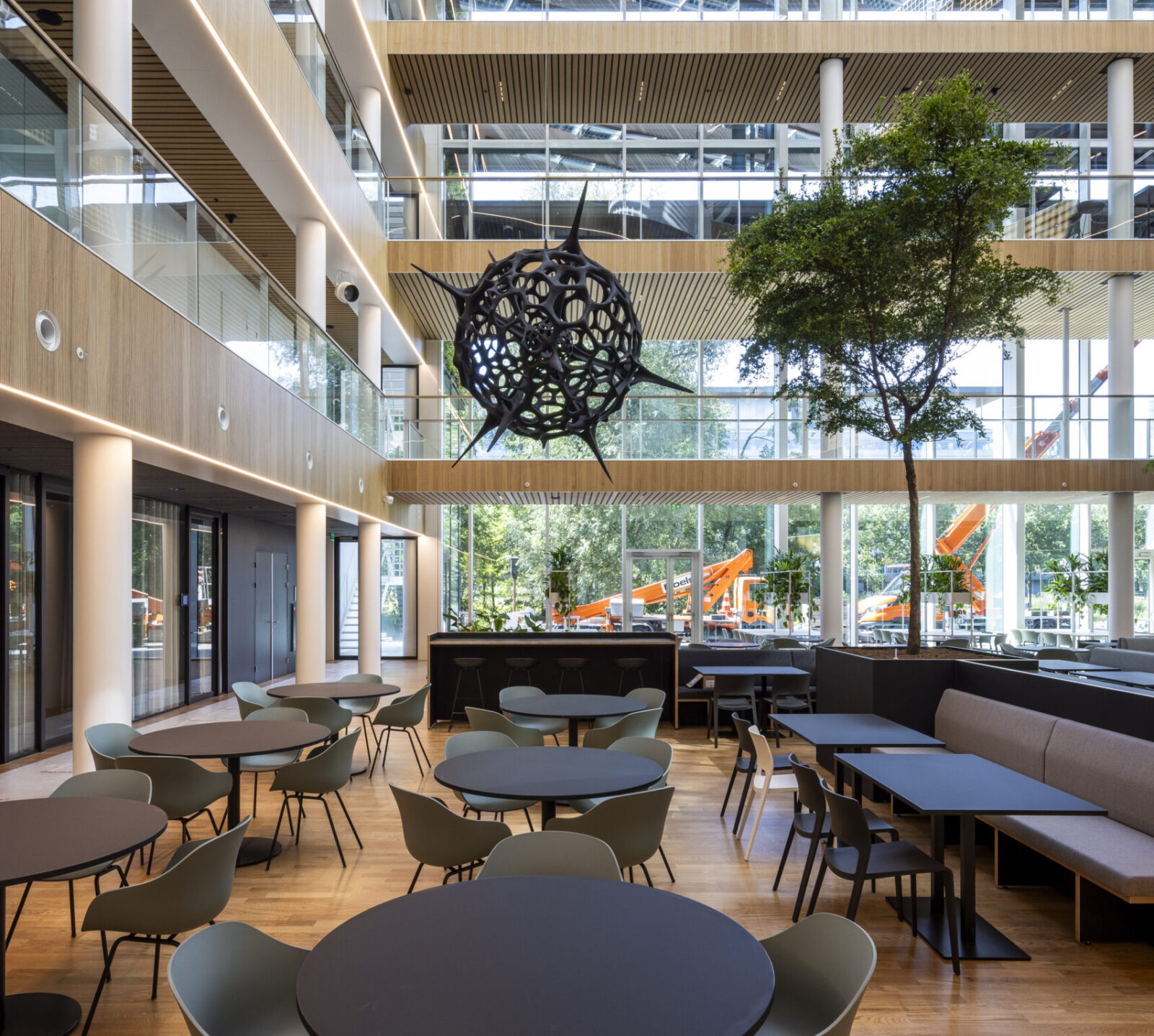
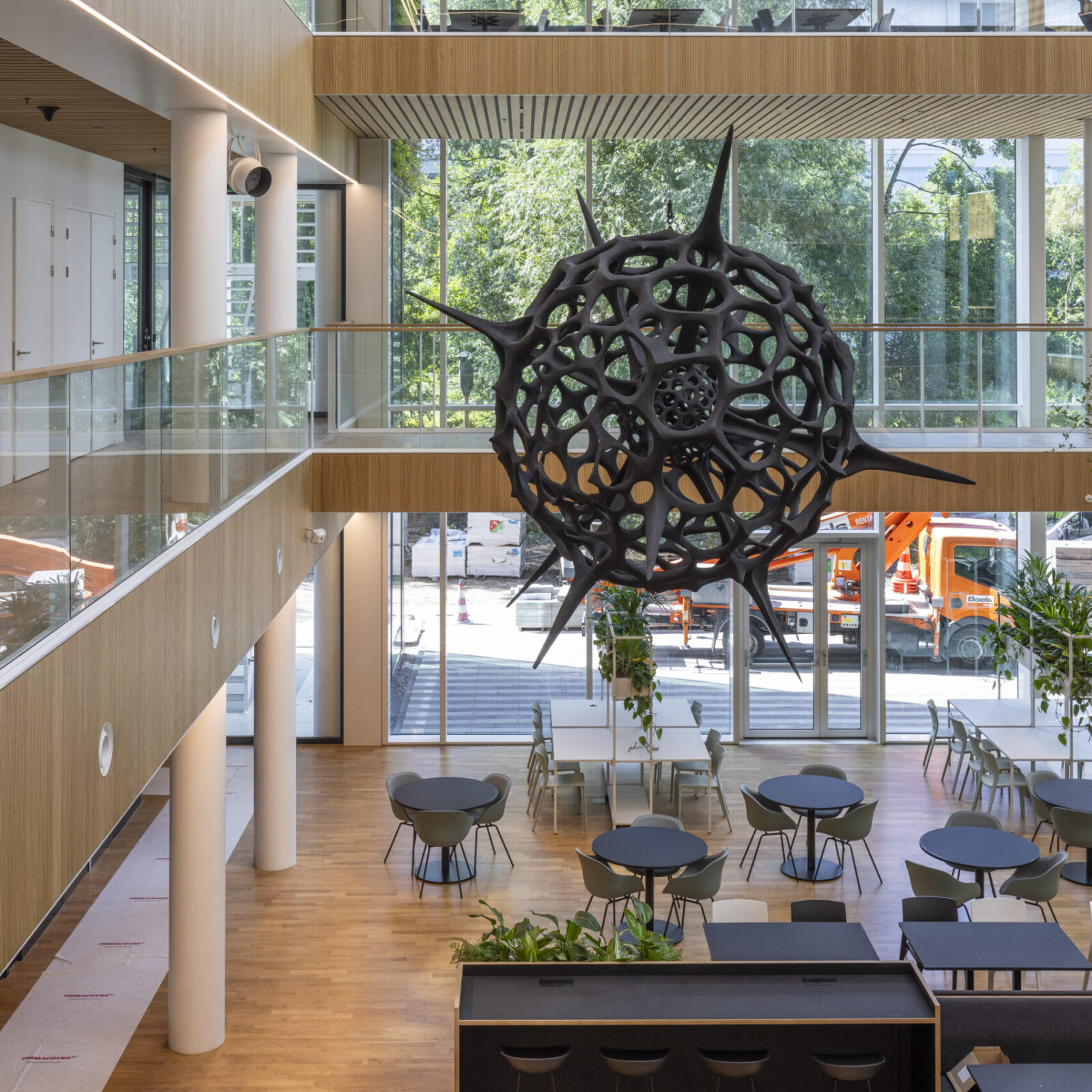
Suspended in the heart of Plus Ultra Utrecht is a striking sculpture: a giant plankton, crafted by artist Vincent Mock. At first glance, it’s a captivating piece of art. But look closer, and it reveals a deeper story—one about the microscopic organisms that form the foundation of life in our oceans and play a vital role in our global ecosystem.
Vincent Mock is known for his thought-provoking sculptures that explore the relationship between humanity and nature. With this piece, he invites viewers to reflect on the unseen forces that sustain life. Plankton may be invisible to the naked eye, but its impact is immense. By magnifying it to monumental scale, Mock challenges us to reconsider what we value and protect.
At Kadans, we believe innovation thrives where disciplines intersect. This artwork is a powerful example of that philosophy—blending science, creativity, and awareness. It’s more than a visual centerpiece; it’s a conversation starter, a moment of reflection, and a celebration of the natural world.
Radiolaria Hexacontium
Year: 2025
Material: painted 3D-print
Size: 3.5 m diameter
Radiolaria are tiny, intricate single-celled plankton that have been drifting through our seas for over 500 million years! In addition to being crucial for the marine ecosystem, Radiolaria are known for their beautifully intricate silica skeletons, often resembling stunning works of art. Despite their delicate beauty, Radiolaria are incredibly small, averaging just 0.1 to 0.2 millimetres in size!
The sculpture above you magnifies the original Radiolarian organism 17,500 times.
In collaboration with the GeoScience Department of the University of Fribourg, Switzerland, Vincent Mock was able to select the various intricate shapes and skeletons of plankton through a microscope. The microscope images were then virtually enlarged to make the almost invisible microorganism visible. With the aid of scientists, a prototype nano-CT scanner was used to create a 3D image of the microorganism. Subsequently, the scans were converted into 143 pieces of 3-D prints, assembled together, and resulted in an enlarged, anatomically accurate sculpture.
This installation aims to stimulate public curiosity about the many wonders of the natural world, scientific research on our ecosystems, and promote discussions on nature and conservation.