3 Incredible Oncology Clusters
Oncology research is evolving at remarkable speed. Breakthroughs that once took decades are now emerging in years, driven by a global demand for personalised medicine and an explosion of technological innovation. Yet even the most revolutionary ideas need the right environment to flourish. That’s where science clusters come in.
These clusters bring together research institutions, clinicians, start-ups, scale-ups, and major industry players in one concentrated ecosystem. By combining knowledge, talent, capital, and specialised infrastructure, clusters accelerate the journey from early discovery to real-world impact. In oncology, where collaboration is key, an environment like this can be transformative.
Across Europe, several oncology-focused clusters are taking the lead. Here are three incredible examples from our network with cutting-edge cancer research resources.
1. Campus Grand Parc, Paris
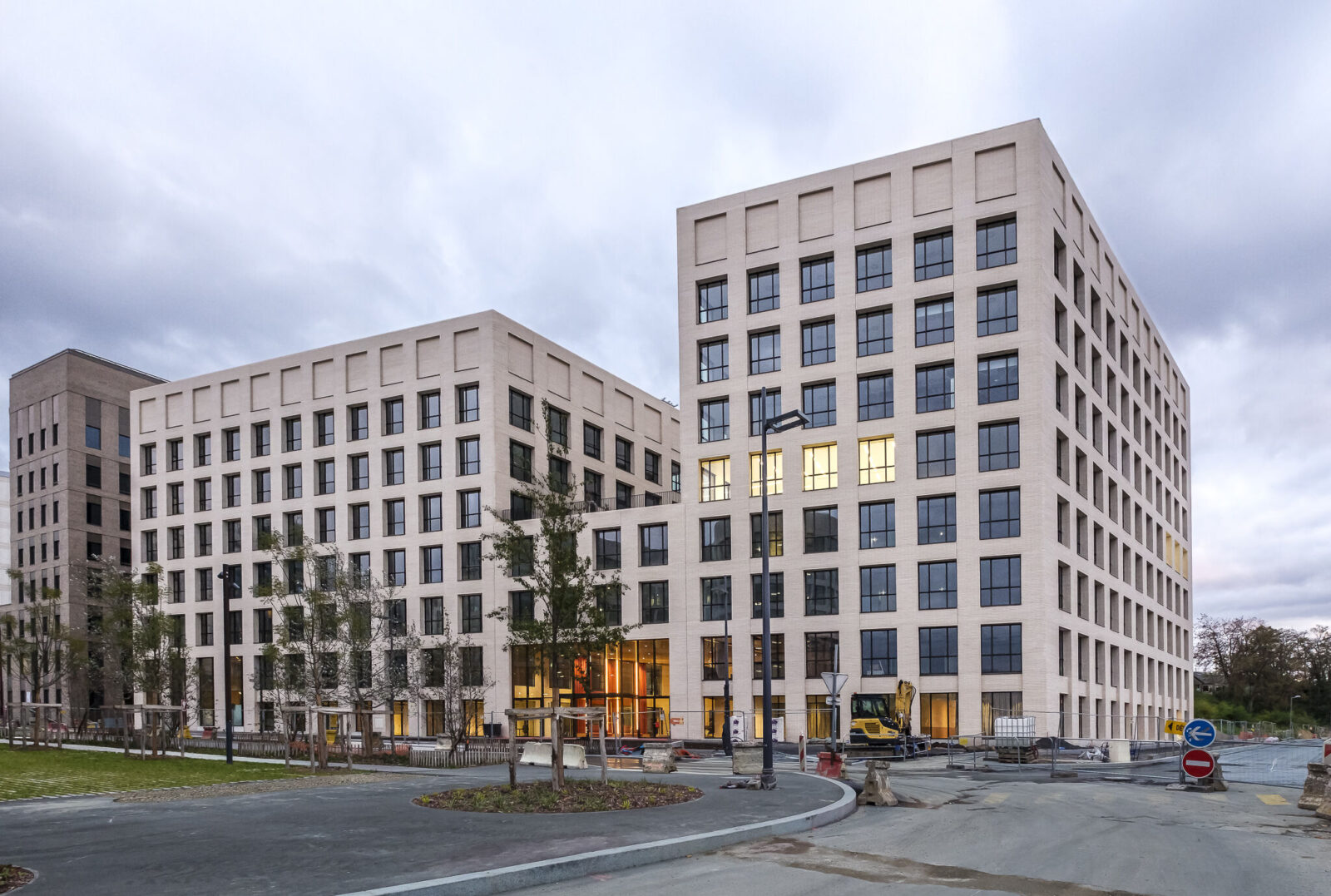
Located in Villejuif, Paris, Campus Grand Parcsits at the heart of one of Europe’s most influential oncology ecosystems. Positioned next to the world-renowned Gustave Roussy Hospital and driven by the Paris Saclay Cancer Cluster (PSCC), the campus brings together leading academic institutions such as Université Paris-Saclay and Institut Polytechnique de Paris, alongside major healthcare innovators.
Designed as a hub for collaboration, Campus Grand Parc supports cancer researchers, start-ups, scale-ups, service providers, and investors all working toward a shared mission: accelerating solutions for patients. By providing specialised labs, flexible workspaces, and access to a highly connected research community, the location helps transform early-stage ideas into real-world oncology innovations.
2. Utrecht Science Park
The Netherlands’ largest science park, Utrecht Science Park, is home to an extraordinary concentration of life sciences expertise. This dynamic environment empowers scientists, clinicians, and entrepreneurs to collaborate on new breakthroughs in cancer research and care.
Here, world-leading institutions such as Utrecht University, UMC Utrecht, the Princess Máxima Centre for paediatric oncology and the Hubrecht Institute work closely with R&D-driven companies such as Genmab. The result? A vibrant cluster where fundamental research, clinical insight, and industry knowhow seamlessly intersect.
With more than 31,000 employees and 55,000 students, Utrecht Science Park is also the biggest science park of the Netherlands. Utrecht Science Park is, among others, a global leader in research into cancer, cell and gene therapy, regenerative medicine, immunology and other disciplines.
3. King’s Cross, Knowledge Quarter, London
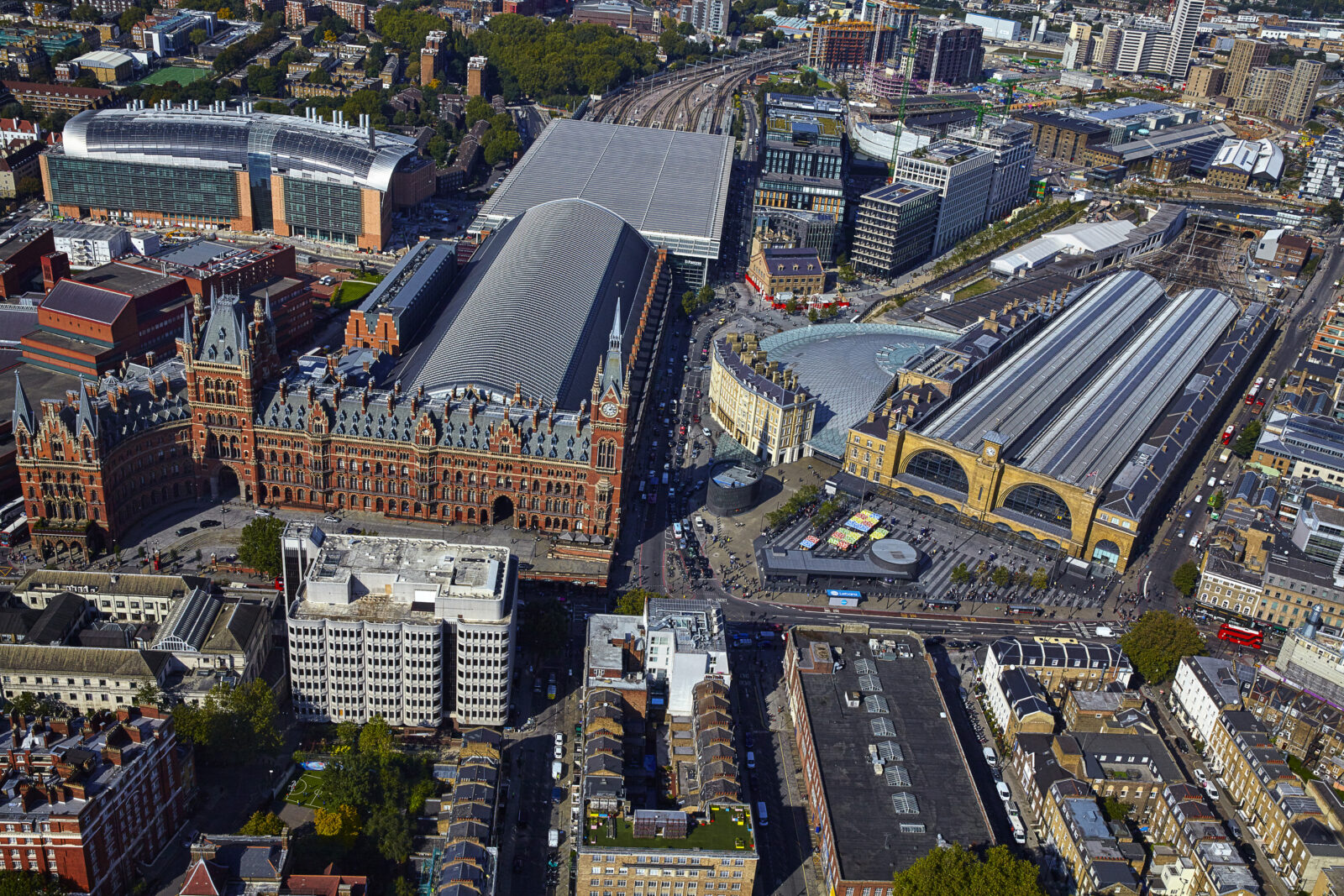
London stands as a global leader in oncology research. King’s Cross is located within the Knowledge Quarter, a 67-acre hub benefiting from world’s densest concentrations of research-led academic institutions, medical experts and biotech innovators.
Institutions like University College London and the Francis Crick Institute collaborate with NHS clinicians and biotech innovators to accelerate breakthroughs in genomics, oncology, and personalised care. Proximity to regulators and funders such as Innovate UK and Wellcome Trust ensures rapid translation from research to clinical application.
An unique new asset within King’s Cross is the location Mayde. With its unique combination of GMP manufacturing facilities integrated with laboratories and office space, it is the only building in London offering this full range of capabilities under one roof. For oncology companies, this enables the entire journey to happen in one location: from fundamental R&D to clinical translation and commercial-scale production.
Sharing knowledge and integrating data is essential for accelerating progress in cancer research. Clinical, genomic, and epidemiological research and datasets deepen our understanding of cancer mechanisms, enable the discovery of novel biomarkers, and support the development of more targeted and effective therapies. These technological innovations are driven by close collaboration among researchers, who combine their detailed knowledge of cancer biology with their expertise in clinical evaluation.
Kadans Science Partner is committed to fueling these advances in oncology by supporting and strengthening the science clusters that make innovation possible. From Paris to Amsterdam, and from London to Berlin, Kadans significantly contributes to this by providing the right infrastructure and encouraging connections that help researchers and companies bring new ideas to life. As the demands for personalised treatments continues to rise, the importance of clusters such as the above will only increase, making them indispensable to the future of oncology research.
Be inspired by innovation
From groundbreaking research to tenant milestones — stay updated on what’s happening across our European science clusters.