3 Pioneering agri-Food clusters shaping the future of Food
Global food systems are under increasing pressure. From climate change and resource scarcity to shifting consumer demands and food security challenges, the need for innovative solutions has never been greater.
Fortunately, Europe is home to a growing number of agri-food innovation clusters where researchers, entrepreneurs, corporates, and investors come together to tackle these challenges. By combining world-class research and specialised infrastructure, these science clusters help accelerate the development of new technologies that will shape the future of food and agriculture.
Across Europe, several regions have established themselves as leaders in agri-food innovation. Here are three standout clusters that are driving the next generation of sustainable food systems.
1. Wageningen
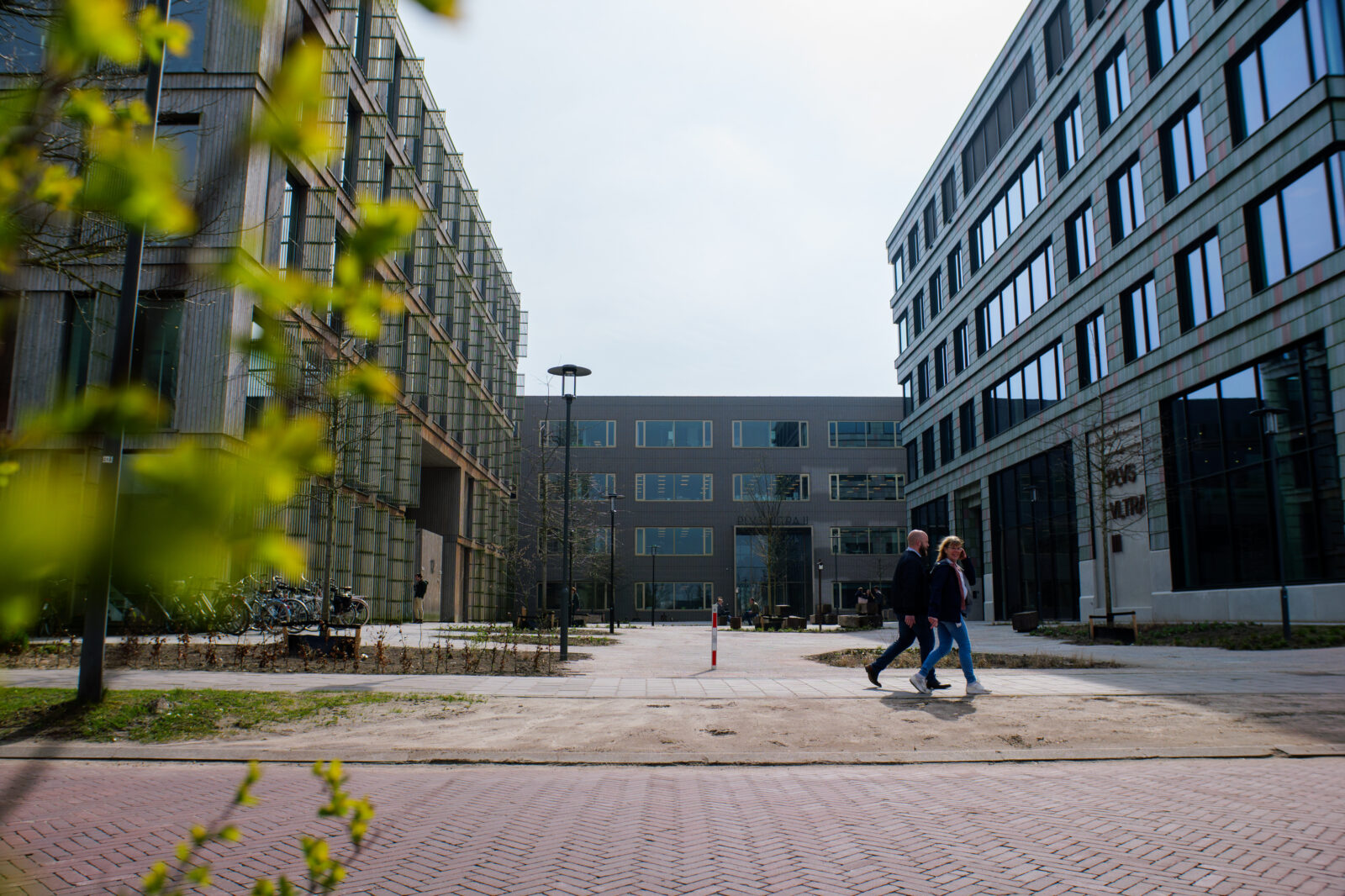
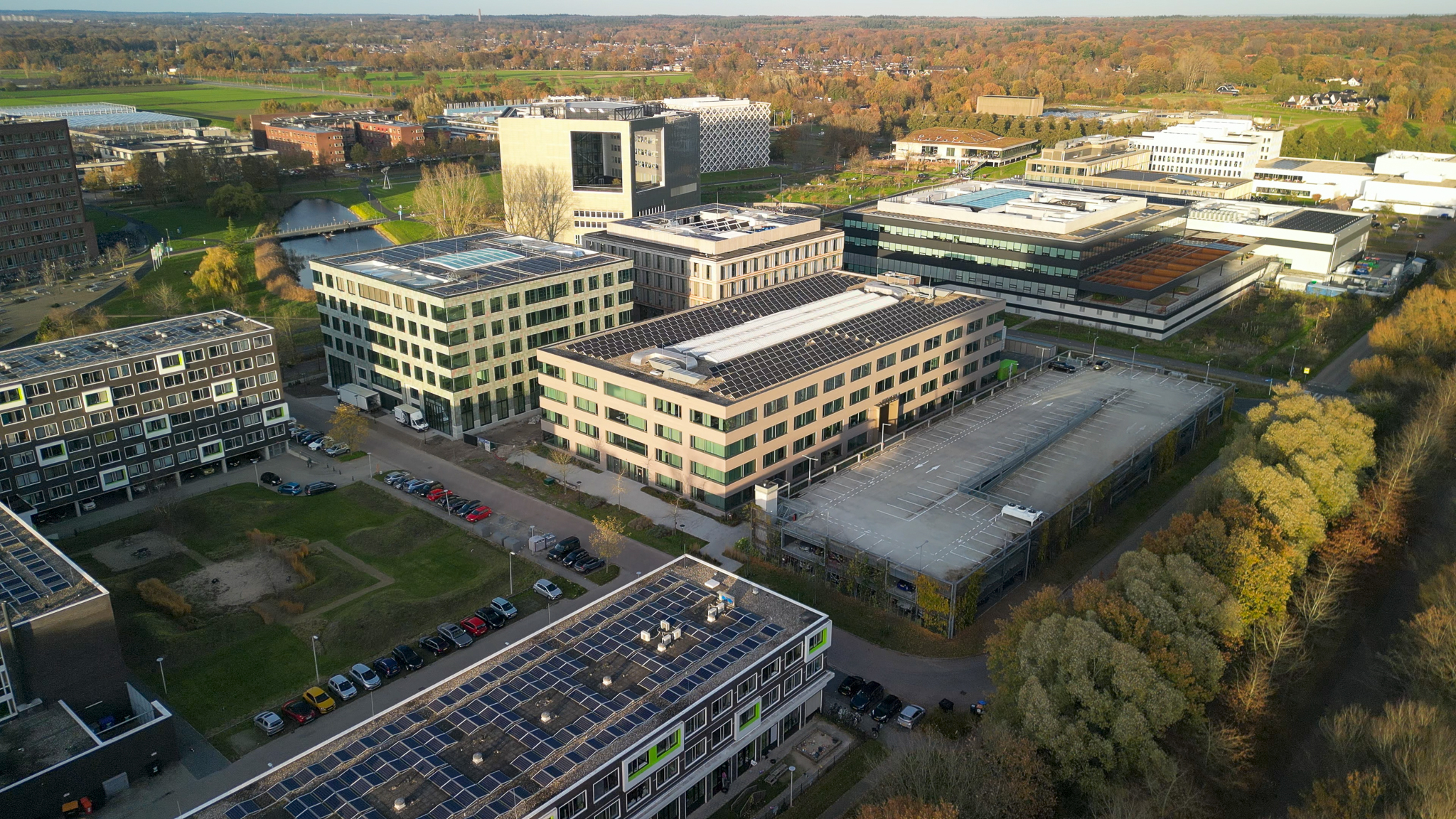
Located in the heart of the Netherlands’ Food Valley, Wageningen Campus has earned a reputation as Europe’s leading agri-food innovation cluster. At the centre of the ecosystem sits Wageningen University & Research (WUR), widely recognised as one of the world’s top institutions for agriculture, food science, and environmental research.
The campus brings together over 230 organisations, ranging from start-ups and scale-ups to multinational companies such as Unilever and FrieslandCampina. This unique concentration of expertise creates an environment in which scientific discoveries can rapidly be translated into practical applications for industry and society.
Wageningen Campus is particularly strong in areas such as sustainable agriculture, alternative proteins, nutrition and health, circular food systems, and biotechnology. Researchers and businesses work side-by-side to address some of the world’s most pressing challenges, including feeding a growing global population while reducing environmental impact.
Its global standing is reflected in international rankings, where WUR consistently ranks among the world’s leading institutions in agricultural science, food science, and environmental sciences. Wageningen continues to attract talent, investment, and innovative businesses from across the globe.
2. Paris
Often referred to as one of Europe’s most powerful innovation ecosystems, Paris-Saclay has become a leading destination for science, technology, and deep-tech innovation. While it is widely known for strengths in fields such as quantum technologies, AI, and engineering, the cluster is also emerging as a major force in agritech and sustainable food innovation.
The science cluster brings together leading institutions including Université Paris-Saclay, AgroParisTech, INRAE, and numerous research organisations, creating a powerful environment where academic excellence meets industrial innovation. The region hosts one of Europe’s largest concentrations of deep-tech start-ups, as well as global industrial groups including Danone, Mondelez, Syngenta and Savencia. Researchers and companies are working together on technologies that improve agricultural productivity, strengthen food resilience, support sustainable farming practices, and accelerate the transition to more environmentally responsible food systems.
The Paris-Saclay cluster accounts for a significant share of France’s research activity and combines public research, private R&D, entrepreneurial programmes, and technology transfer initiatives within a single interconnected community.
3. London
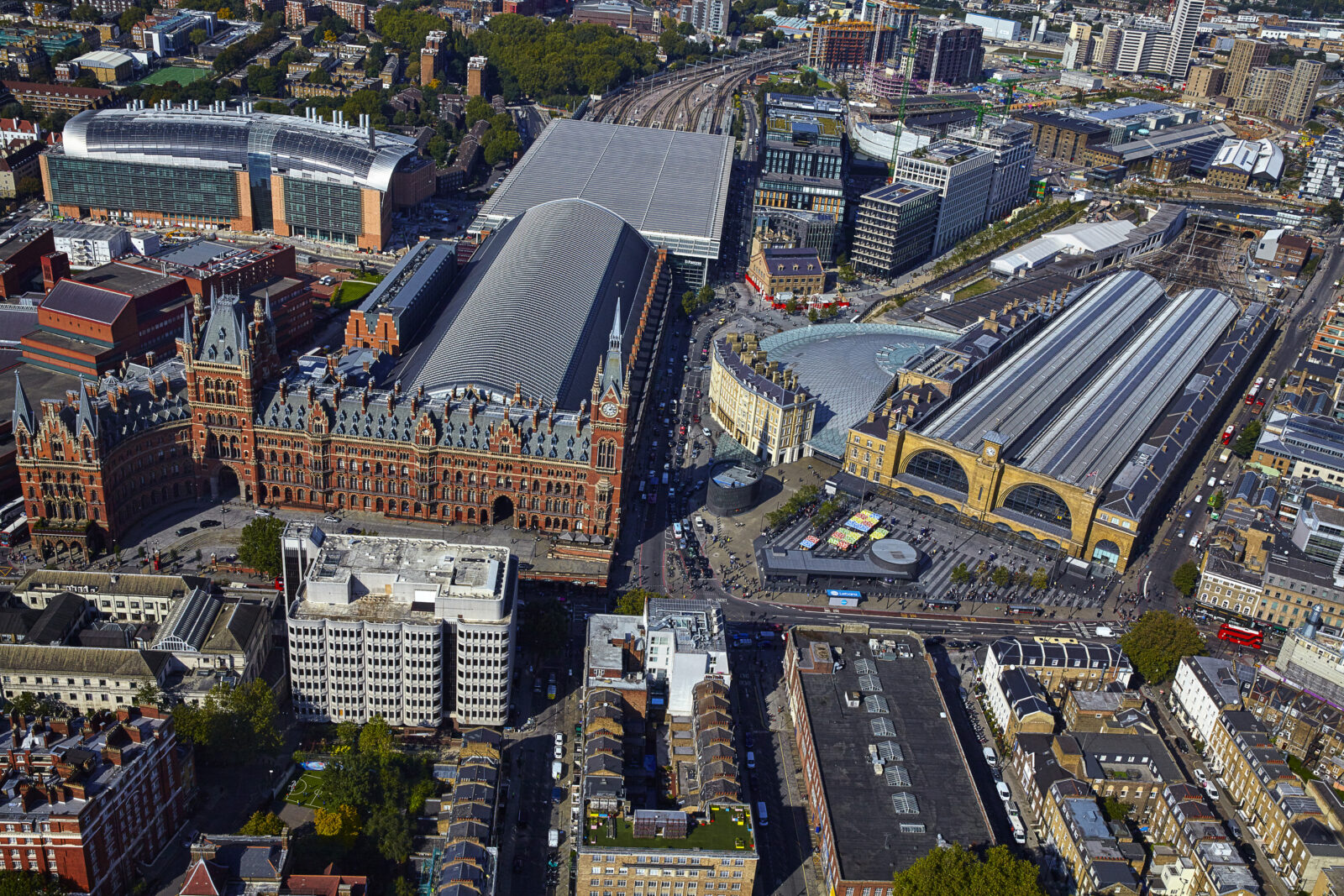
London may not immediately come to mind as an agricultural cluster, yet it has become one of Europe’s most influential centres for agri and food tech innovation.
As a global financial and technology hub, London has attracted a thriving ecosystem of food-tech entrepreneurs, corporates, investors and research institutions. The city now hosts more than 470 agrifoodtech companies, representing over half of the UK’s total agri-food ecosystem.
London’s role extends beyond business and investment. As a meeting point for global innovators, the city hosts leading conferences, industry networks, and international partnerships that connect start-ups with multinational food companies, investors, regulators, and research organisations. This combination of talent, funding, and collaboration makes London a strategic location for agri-food innovation.
Food and agricultural innovation requires more than breakthrough technologies alone. It depends on environments where researchers, entrepreneurs, corporates, and investors can work together to transform ideas into scalable solutions.
Clusters such as those in Wageningen, Paris, and London demonstrate how collaboration accelerates innovation. By combining scientific excellence, specialised infrastructure, entrepreneurial support, and access to capital, these ecosystems are helping to address some of the world’s most significant challenges related to food security, sustainability, and climate resilience.
At Kadans Science Partner, we are committed to supporting and strengthening these innovation ecosystems through specialised real estate and by fostering scientific communities. Across Europe, we help researchers, innovators, and businesses find the spaces and connections they need to develop solutions that improve the future of food and agriculture.
As the demand for sustainable food systems continues to grow, clusters like these will remain essential in shaping the next generation of agri-food innovation.
Discover our Agri & Food clusters


Be inspired by innovation
From groundbreaking research to tenant milestones — stay updated on what’s happening across our European science clusters.