3 Clusters in Chemistry & Energy to keep an eye on
The transition towards a more sustainable economy is reshaping the chemistry and energy sectors. New technologies are changing how resources are produced, used and recovered.
Turning scientific discoveries into scalable solutions requires more than research excellence alone. Chemistry and energy companies need access to specialised facilities, technical talent, industry partners and opportunities to test innovations under realistic conditions. They also benefit from being close to other researchers, entrepreneurs and investors who can help accelerate the journey from early-stage discovery to commercial application.
Science clusters bring these elements together. By connecting knowledge, talent, capital, and specialised assets, they create environments in which organisations can collaborate more effectively and respond faster to the challenges of the energy and materials transition.
Across Europe, several clusters are developing powerful ecosystems around chemistry, energy and advanced materials. Here are three clusters from the Kadans network that are creating valuable opportunities for innovators in these sectors, that you might not have thought about before.
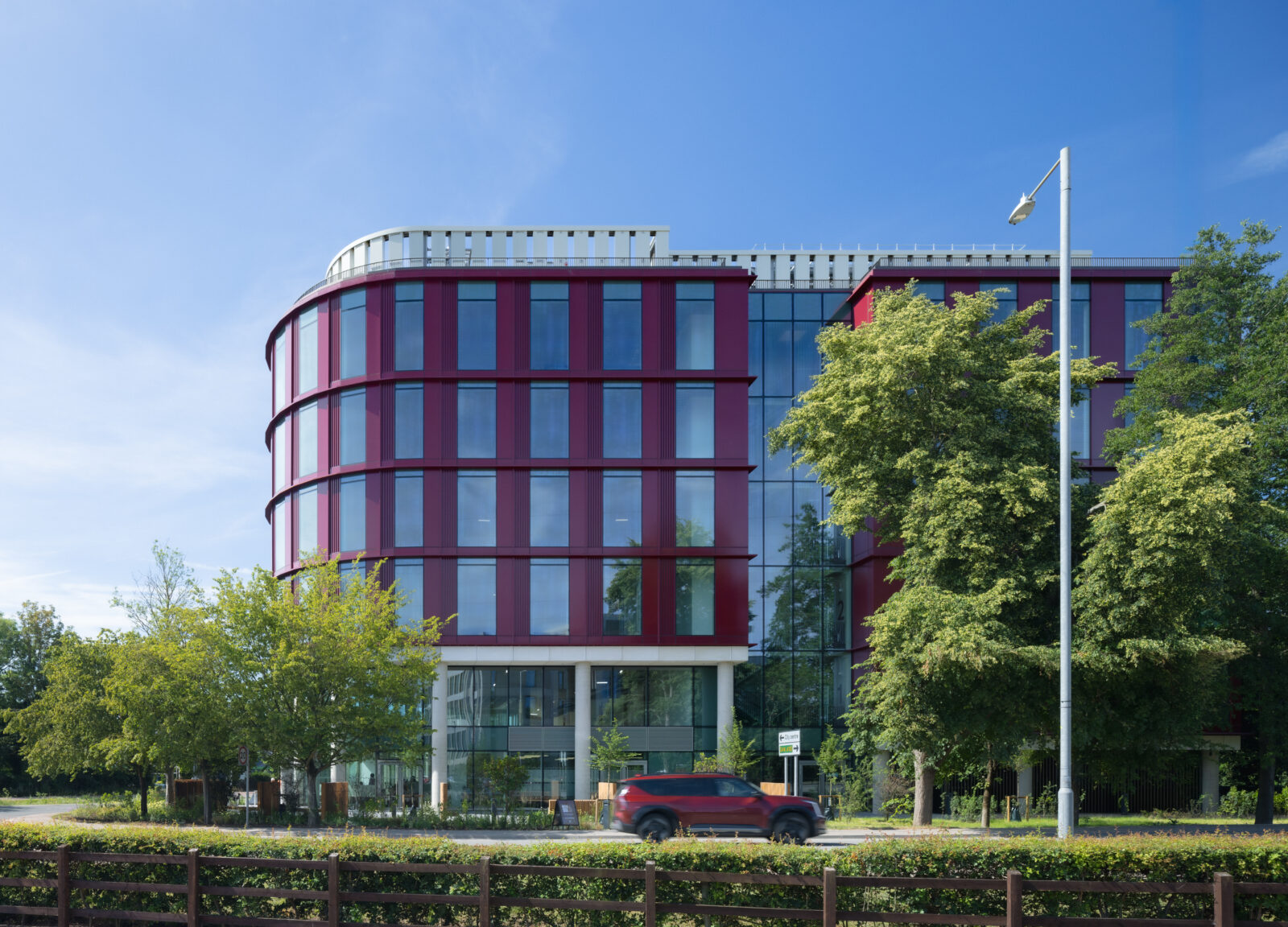
Cambridge, United Kingdom
Cambridge is internationally recognised for its ability to transform scientific knowledge into successful companies and technologies. The cluster brings together research institutes, multinational organisations, entrepreneurs, investors and a highly developed professional services network.
Its scale demonstrates the strength of this connected ecosystem. The Cambridge cluster includes more than 5,000 knowledge-intensive companies, collectively generating over £18 billion in annual turnover and employing more than 67,000 people. These companies operate across sectors including life sciences, advanced manufacturing, digital technology and materials science, creating scope for technologies and expertise to move between disciplines. Known for various disciplines, the University of Cambridge is also the top university in Europe for Chemistry (QS World Rankings 2026).
For chemistry and energy companies, Cambridge offers particular strengths in areas such as battery technology, fuel cells, catalysis, materials science and solar fuels. To bridge the gap between research and industrial collaboration, the Royce Battery Manufacturing Facility provides equipment for academic and commercial researchers to manufacture and process battery materials. This facility and other equipment at the Royce Institute is made available for use by both academia and industry.
Cambridge’s multidisciplinary culture is especially valuable as chemistry and energy challenges become increasingly interconnected. For businesses, this concentration of fundamental science, commercial expertise and specialist facilities creates opportunities to form research partnerships, recruit highly skilled talent and connect new technologies to potential markets. It is an ecosystem in which ideas from chemistry, engineering, physics and digital technology can come together, helping companies develop solutions that would be difficult to realise within a single discipline.
At the Park Rijswijk, the Netherlands
At the Park Rijswijk occupies a distinctive position within the Dutch energy and chemistry landscape. Located between The Hague and Rotterdam, the campus is part of a region with a long history in energy and subsurface expertise. Today, that knowledge is increasingly being applied to renewable energy, geothermal heat, underground energy storage and more sustainable industrial technologies.
The campus focuses on the intersection of chemistry, energy, advanced material, life sciences and high-tech innovation. By bringing together research organisations, established businesses and growing companies, At the Park is creating an environment where organisations can exchange expertise and work on practical solutions for many challenges.
One of the cluster’s key assets is the TNO Well Technology Centre, previously known as the Rijswijk Centre for Sustainable Geo-energy. This open-innovation facility allows companies to test technologies for geothermal energy, subsurface energy storage and well engineering. Its facilities can recreate high-pressure and high-temperature subsurface conditions, allowing testing and experimenting with new drilling methods and materials. With only a handful comparable facilities worldwide, this is truly a unique asset to the local ecosystem.
The Duurzame Warmte Delta (previously Energy Cave) further strengthens the ecosystem by connecting businesses, education, government and research around the heat transition. It serves as a knowledge and experience centre focused on areas such as geothermal energy, skills development and public awareness. This collaborative approach recognises that the energy transition depends not only on technology, but also on trained professionals, shared knowledge and cooperation between public and private partners.
For chemistry and energy businesses, At the Park offers the combined benefits of specialised infrastructure, applied research expertise and proximity to the wider Rotterdam-The Hague metropolitan regio, which also has the highly regarded Delft University of Technology nearby.
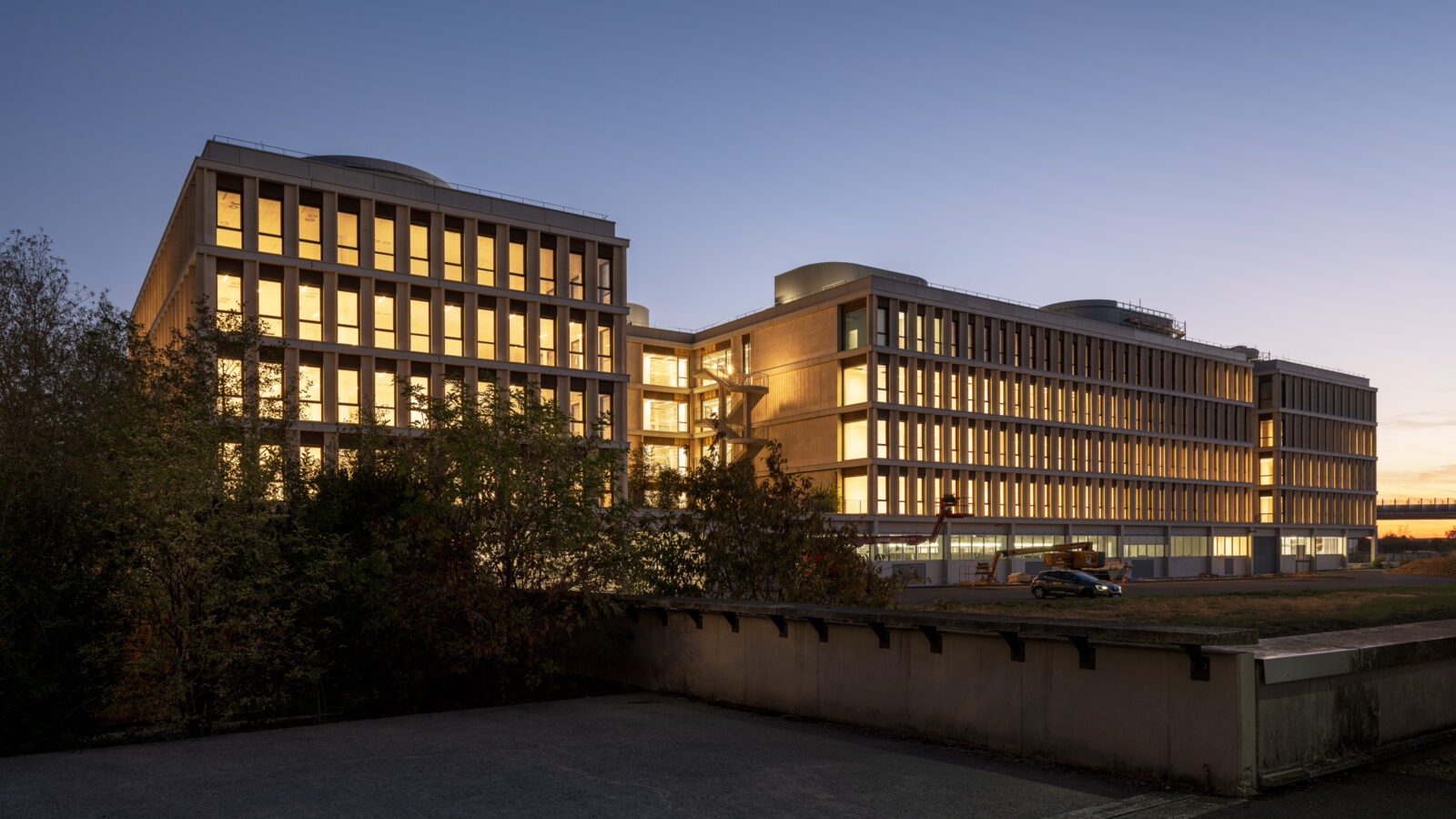
Paris-Saclay, France
Paris-Saclay is one of Europe’s most concentrated research and innovation ecosystems. Located to the south of Paris city centre, the cluster combines leading universities, national research organisations, R&D centres, start-ups and major industrial companies. The scale of the wider ecosystem is significant. Paris-Saclay represents approximately 21% of French academic research and 15% of the country’s private research and development. It brings together around 16,000 teacher-researchers, six national research organisations and three universities.
The cluster’s expertise in Chemistry & Energy spans low-carbon energy, sustainable chemistry, advanced materials, mobility, climate science, circularity and industrial processes. At Université Paris-Saclay, research in chemistry includes areas such as CO₂ transformation, molecular chemistry, surface chemistry and the development of products from agricultural resources.
Businesses can also connect with specialist organisations, such as the the Photovoltaic Institute of Île-de-France (IPVF) that operates a specialised photovoltaic R&D platform that external organisations can also access. For chemistry and energy businesses, this creates an environment in which fundamental discoveries can be connected to application, investment and industrial scale-up. Whether an organisation is developing photovoltaic technologies, converting CO₂ into useful chemicals, investigating low-carbon materials or improving energy distribution, Paris-Saclay provides access to an unusually broad network of relevant expertise.
Connected ecosystems for a more sustainable future
Progress in chemistry and energy depends on the interaction between many different disciplines. A new idea may begin in a laboratory, but bringing it into practical use also requires engineering, testing, funding, regulatory knowledge, skilled talent and industrial partnerships.
Cambridge, Rijswijk and Paris each offer a different combination of these capabilities. What they share is a collaborative approach to innovation. By concentrating knowledge, talent, capital, and specialised infrastructure in one connected environment, these clusters make it easier for companies to build partnerships, validate ideas and accelerate the development of technologies that can contribute to a more sustainable economy.
At Kadans Science Partner, we understand that specialised buildings are only one part of a successful innovation environment. By developing research facilities that respond to the technical needs of innovative organisations and connecting companies with the wider ecosystems around them, we help create the conditions in which knowledge can be shared and innovation can move forward.
Be inspired by innovation
From groundbreaking research to tenant milestones — stay updated on what’s happening across our European science clusters.