Industrialising Serendipity
Reflecting on the Kadans Oncology Summit and Inauguration of The Hive
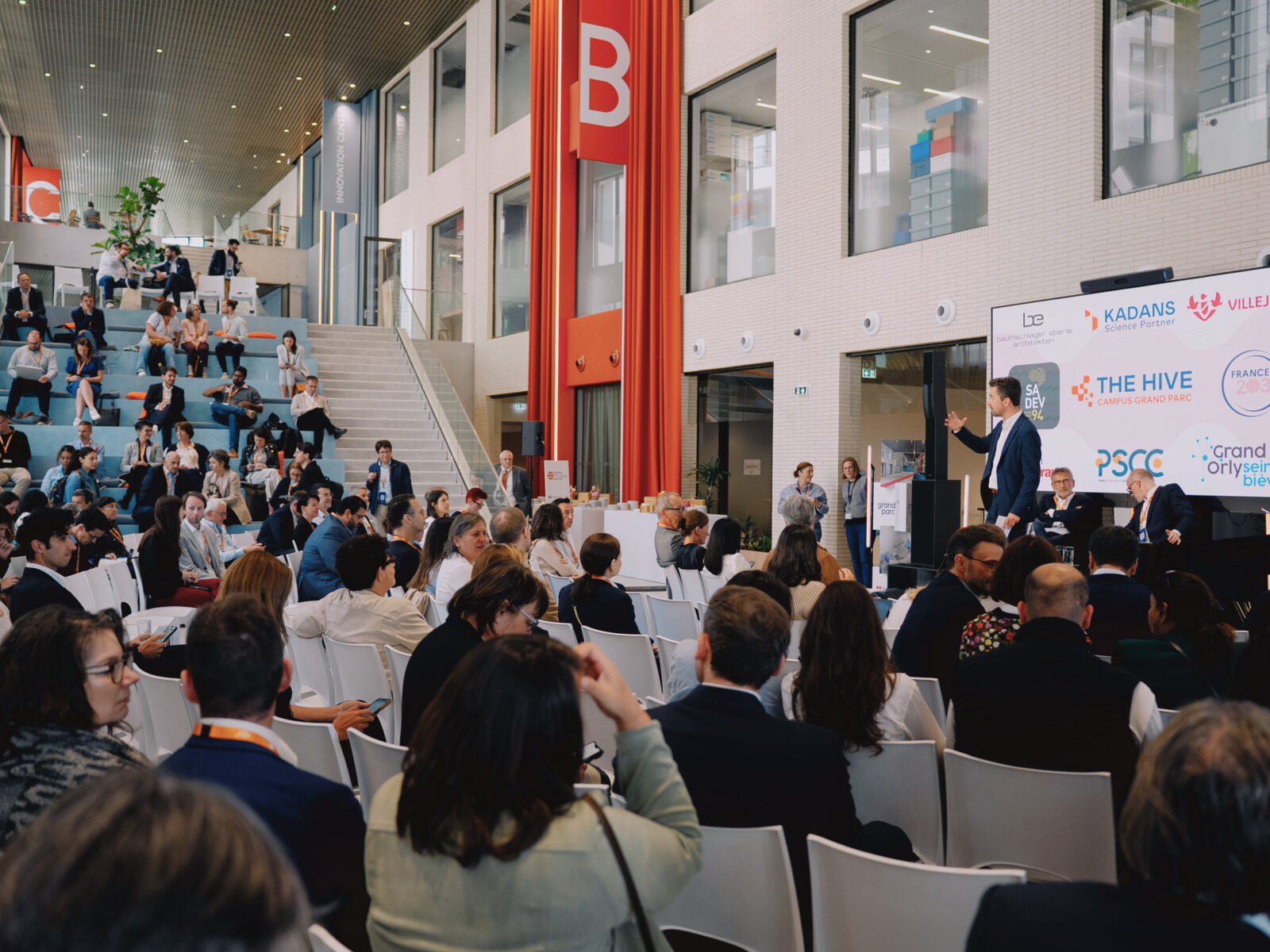
On 4 June 2026, more than 475 stakeholders from across the oncology landscape gathered at The Hive in Villejuif for the Kadans Oncology Summit. Researchers, clinicians, entrepreneurs, investors, industry leaders, and policymakers came together for a day dedicated to one shared ambition: accelerating innovation against cancer.
The event also marked a major milestone. With the official inauguration of The Hive, Campus Grand Parc was formally launched as France’s first innovation hub entirely dedicated to oncology, anchored by the Paris Saclay Cancer Cluster (PSCC) and located next to Gustave Roussy, Europe’s leading cancer centre.
Throughout the day, discussions covered topics ranging from financing and licensing to AI-driven drug discovery, biomarkers and pre-clinical research. While the subjects varied, a common thread connected every conversation.
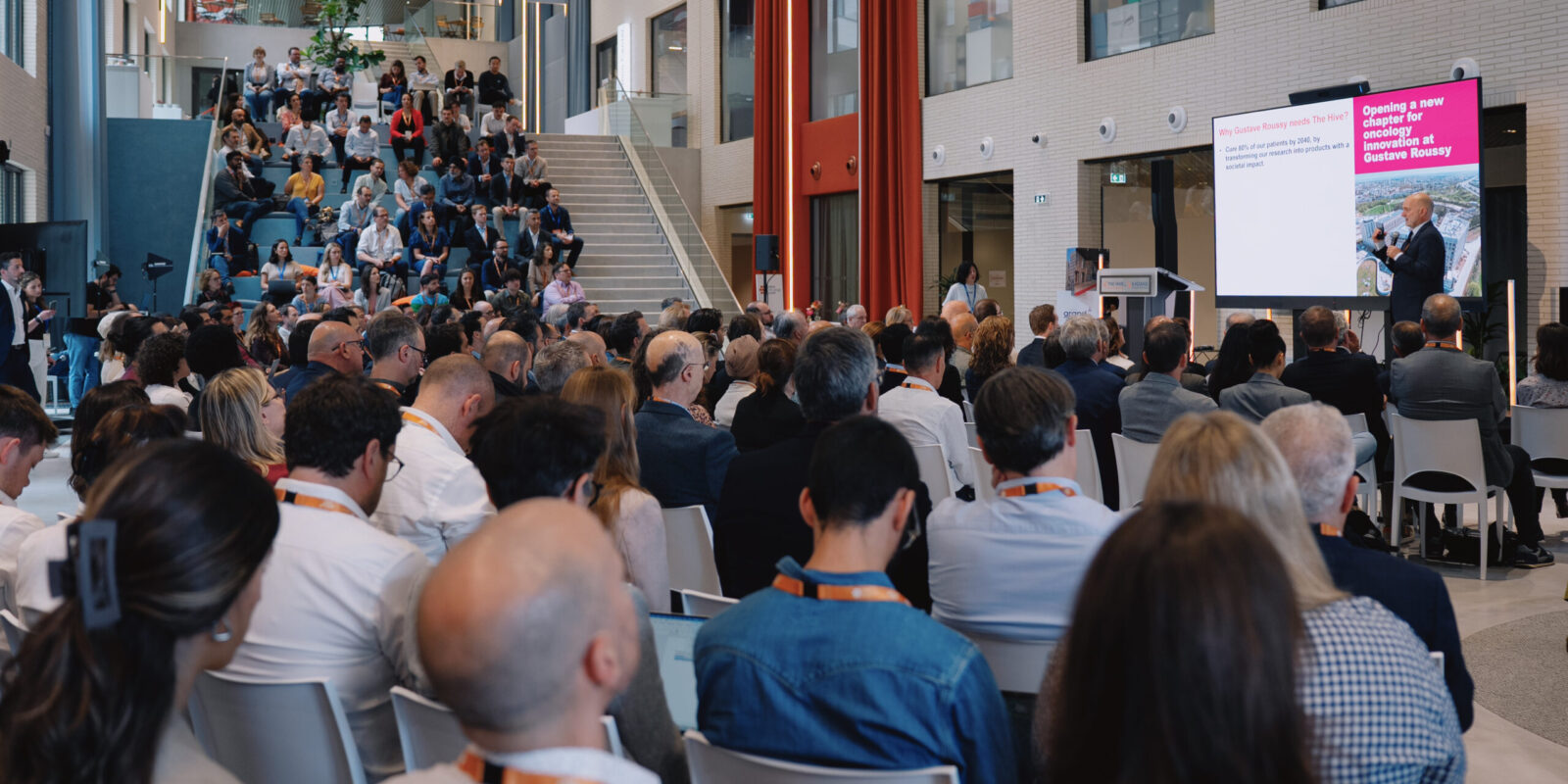
As Professor Fabrice Barlesi, CEO of Gustave Roussy, said it in his keynote speech:
“We try to industrialise serendipity.”
More than a memorable quote, it became a guiding theme for the day.
Creating the conditions for breakthroughs
Scientific breakthroughs don’t happen in isolation. Often they are associated with unexpected discoveries, chance encounters and moments of inspiration. Behind every success story lies an ecosystem that enables those moments to happen.
Campus Grand Parc and The Hive have been developed around exactly this principle. By bringing together researchers, entrepreneurs, healthcare professionals, and investors in one location, the ecosystem is designed to increase the likelihood of meaningful connections and accelerate the journey from scientific discovery to rea-life impact.
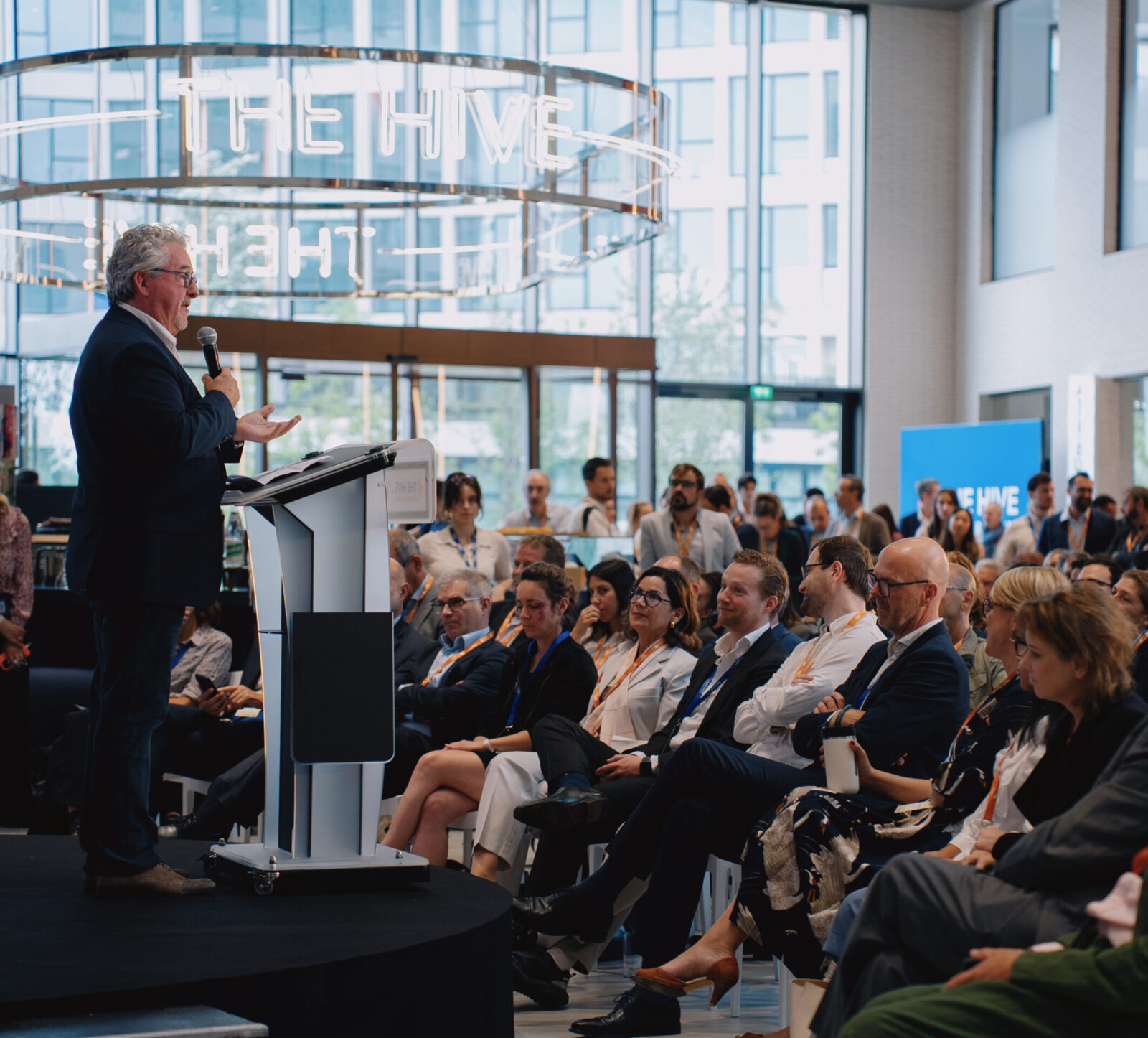
Professor Eric Vivier, President of the PSCC, reminded attendees why this collective effort matters at the beginning of the day: “We all want a world without cancer.” Achieving that goal requires more than scientific discoveries alone. It requires teams, partnerships and collaboration across disciplines. Several speakers echoed this throughout the day.
This idea was also brought up by Christian Deleuze, President of Medicen and PSCC Connect, who reflected on the challenge of building a successful science cluster. Scientific expertise and business capabilities are both essential, but finding the right balance requires continuous dialogue, collaboration and countless interactions between stakeholders.
That is exactly the basis on which The Hive was built and has been created to facilitate.
Excellence attracts excellence
One thing became clear throughout the many sessions: the science remains the foundation of innovation. In the financing session, investors explained that while market trends may change, their attention remains focused on strong scientific fundamentals, talented teams and conviction. Rather than simply reviewing pitch decks, the panelists described looking into researchers directly, diving into the scientific literature and identifying promising discoveries before they become a hype.
The role of specialised ecosystems is to strengthen that force. By concentrating research, talent, infrastructure, and investment opportunities in one place, clusters like Campus Grand Parc create an environment where excellence attracts further excellence.
AI moves from promise to practice
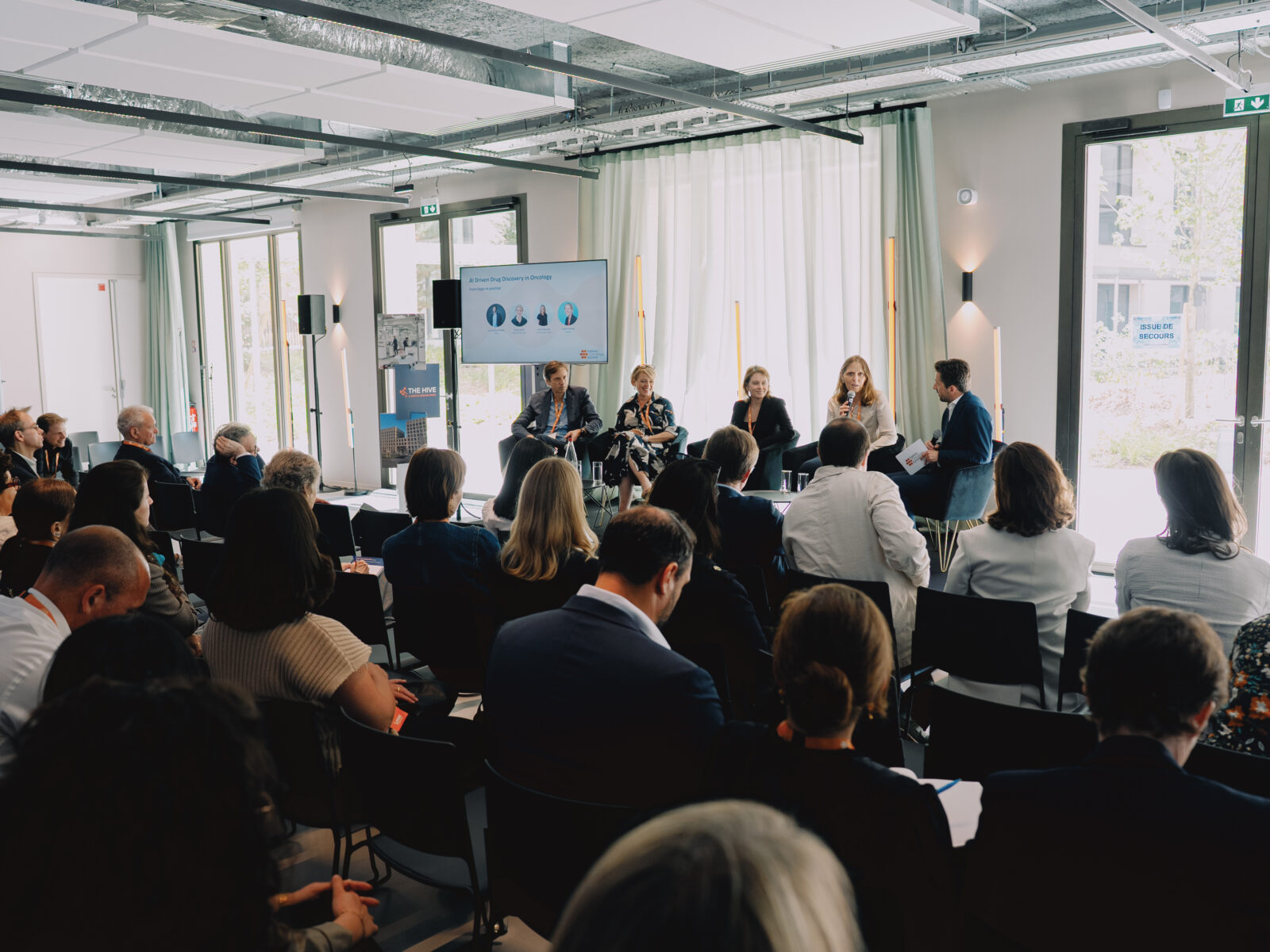
As artificial intelligence is a hot topic in our society, it also featured prominently throughout the summit during discussions on drug discovery and clinical development. While speakers acknowledged that AI remains in a period of significant excitement, there was broad consensus that its impact is already tangible. As noted during the AI session: “we are still in the hype,” yet the results being achieved today are difficult to ignore. Examples shared during the session demonstrated how AI is shortening timelines across the drug development process. From reducing validation cycles from months to weeks to identifying novel targets more rapidly, making the overall process more efficient.
At the same time, speakers stressed that AI is only as powerful as the data that is being put in. High-quality datasets remain critical, requiring extensive collaboration between technology developers, hospitals, and research institutions. This is where the proximity offered by Campus Grand Parc becomes particularly valuable. Located directly alongside Gustave Roussy, companies have unique opportunities to access clinical expertise, patient insights and research collaborations that strengthen both data quality and innovation.
The future of oncology will undoubtedly be increasingly data-driven, but the summit made one thing clear: technology alone is not enough. Progress still depends on close collaboration between people.
Towards more personalised cancer care
People being the key is also a theme that emerged in discussion on the role of biomarkers in drug discovery. Speakers described a shift away from viewing cancer through isolated snapshots toward a more holistic understanding of patients. Integrating imaging, diagnostics, and biomarker data offers the potential to identify the right treatment for the right patient at the right time.
AI will also play an important role in interpreting these increasingly complex datasets, but success will also depend on regulatory progress, healthcare adoption, and continued collaboration across academia and industry. Despite significant scientific advances, participants noted that many biomarker-guided approaches remain underutilised in clinical practice. Closing the gap between innovation and implementation therefore emerged as another shared challenge for the oncology community.
Ultimately, the objective remains simple: helping patients benefit from effective therapies earlier and more precisely.
Collaboration as a competitive advantage
Whether discussing financing, biomarkers, AI, licensing, or pre-clinical research, the same conclusion surfaced repeatedly throughout the day: innovation accelerates when people, expertise, capital and infrastructure come together in close proximity.
This idea lies at the heart of The Hive and the Campus Grand Parc ecosystem. The goal is not merely to provide laboratory space or office facilities, but to create an environment where unexpected collaborations become more likely. Where ideas are being shared between disciplines and where promising discoveries can find the support required to reach real patients.
The rapid uptake of The Hive by organisations such as Sanofi, OranoMed, Orakl Oncology, One Biosciences, and others demonstrates the strength of that vision. It also reflects a broader recognition that the future of oncology innovation depends on connected ecosystems rather than isolated research.
Building a future without cancer
The Hive is designed to create the conditions for “industrialised serendipity” by bringing research and entrepreneurship together in a shared environment where natural connections are stimulated. Both through the design of the building as well as activation of the community in collaboration with the PSCC. Located adjacent to Gustave Roussy, it ensures that innovation remains closely connected to clinical needs and patient treatments. By combining daily interaction opportunities with access to specialised laboratories, investment networks, and a growing oncology ecosystem, The Hive serves as more than a workplace: it serves as a catalyst for collaboration.
The inauguration of The Hive marks more than the opening of a building. It represents the next step in establishing Campus Grand Parc as a European centre of excellence for oncology research and innovation. Looking back on the Kadans Oncology Summit, one message stands out above all others. Progress against cancer is not the result of a single breakthrough, a single organisation, or a single technology. It emerges when science, entrepreneurship, clinical expertise, and investment come together around a shared goal.
Or, as Professor Barlesi described it, when we learn to industrialise serendipity.
By creating places where those connections happen by nature, The Hive and Campus Grand Parc are helping to turn possibility into progress. Bringing us one step closer to the ambition that united everyone in the room: a world without cancer.
Explore our life sciences clusters




Be inspired by innovation
From groundbreaking research to tenant milestones — stay updated on what’s happening across our European science clusters.