Neuroscience Innovation: The Science Is Advancing. Can Our Ecosystems Keep Pace?
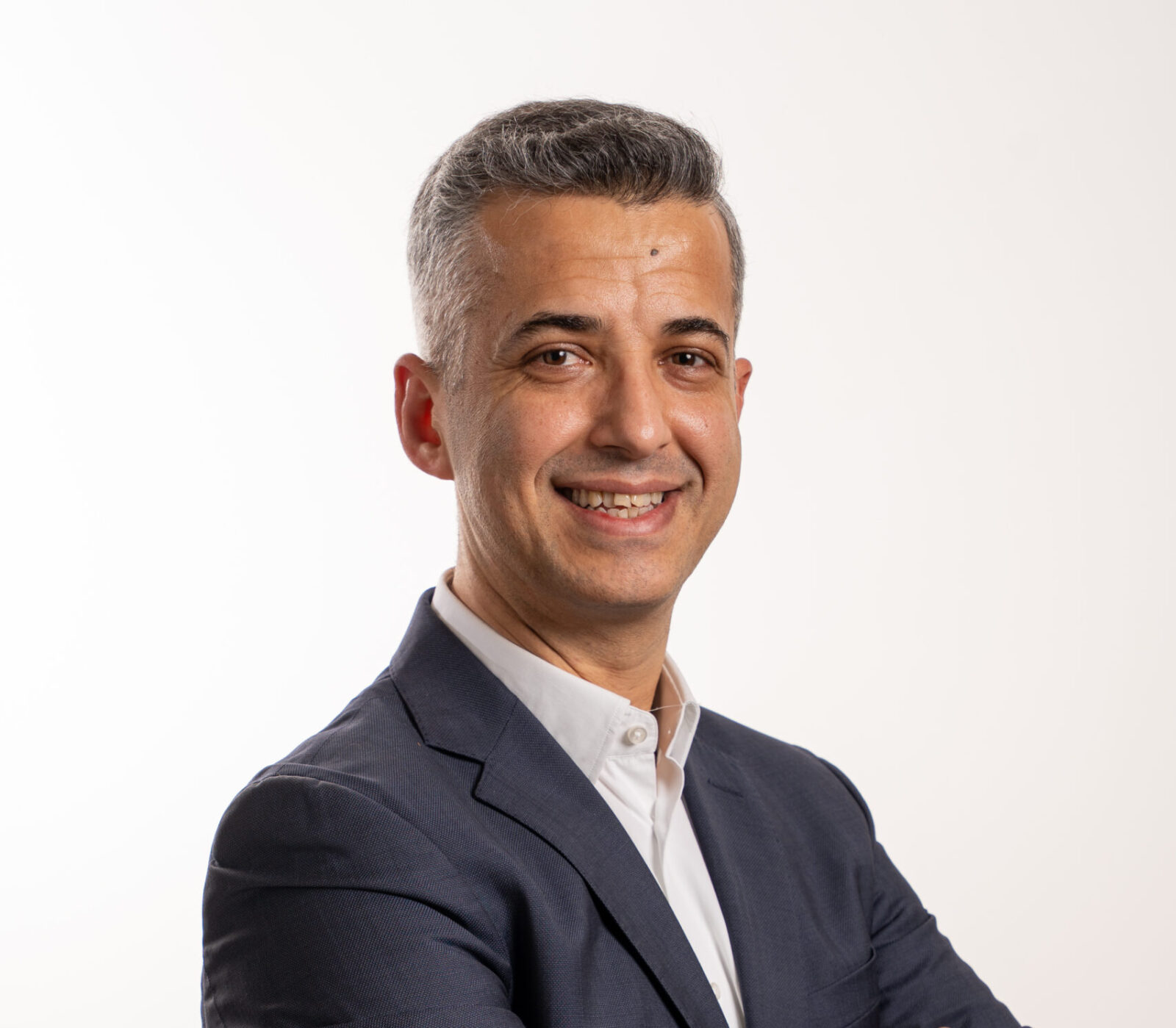
Written by Qaisar Rafiq – Senior Director European Business Development
Reflections from HSBC Neurology Innovation Day | 15 October 2026
I had the pleasure of attending HSBC Innovation Banking Neurology Innovation Day in London, bringing together an impressive cross-section of pharmaceutical leaders, biotech founders, investors, researchers and innovators to explore the future of neurological treatments.
Having spent much of my career working across life sciences, I have witnessed the remarkable progress made in drug discovery and development, but also the challenges of translating promising science into therapies that genuinely improve patients’ lives.
It also took me back to 2012, when I was directly involved in delivering a clinical trial involving patients with schizophrenia. I still recall the complexity of the study, which required patients to discontinue their existing treatment, undergo a seven-day washout period and remain in a specialist Phase I clinical research unit for 28 consecutive days while an investigational therapy was evaluated.
That experience gave me a lasting appreciation of the challenges involved in clinical research, not just from a scientific and operational perspective, but also the commitment required from patients participating in these studies.
Reflecting on how far our understanding of neurological and psychiatric disorders has progressed since then, it is encouraging to see the renewed momentum across neuroscience. Yet it also reinforces how much work remains to translate promising science into treatments that can make a meaningful difference to patients’ lives.
Advances in human genetics, biomarkers, new therapeutic modalities, AI and computational biology are beginning to change what is scientifically possible.
Yet one question kept coming back to me throughout the discussions:
As our ability to understand and treat neurological diseases accelerates, are we building the right ecosystems to translate those discoveries into meaningful patient outcomes?
I believe this is becoming one of the most important questions facing our industry.
From scientific possibility to clinical reality
The opening discussion featuring Hilary Evans-Newton CBE, Chief Executive of Alzheimer’s Research UK, alongside Emily Turner, CEO of HSBC Innovation Banking UK, provided a powerful reminder of both the progress being made and the scale of the challenge ahead.
For decades, neurological diseases such as Alzheimer’s, Parkinson’s and Huntington’s have presented enormous scientific and clinical challenges.
We are now seeing a shift in the conversation.
Rather than simply asking whether we can intervene in the underlying biology of these diseases, the discussion is increasingly about how early we can intervene, which patients will benefit and how quickly treatments can be brought into clinical practice.
The emergence of blood-based biomarkers, including phosphorylated tau 217 (p-tau217), offers exciting opportunities for earlier detection and more precise patient selection in Alzheimer’s disease.
But diagnosis is only part of the equation.
One particularly striking point from the discussion was the limited access patients currently have to advanced diagnostic pathways and the challenges that remain in providing appropriate treatment and follow-up care.
This is where the wider healthcare ecosystem becomes critical.
Scientific breakthroughs must be supported by diagnostic infrastructure, clinical trial capacity, regulatory alignment, reimbursement pathways and healthcare systems capable of adopting innovation.
The recently announced BARBARA Alliance, bringing together government, research and healthcare stakeholders to accelerate progress in dementia, is an encouraging example of the coordinated approach required.
The UK has extraordinary strengths in biomedical research, NHS infrastructure, patient data and academic excellence.
The opportunity is to connect these strengths more effectively.

What pharmaceutical companies really look for in innovation
One of the most insightful discussions came from the pharmaceutical panel featuring senior representatives from Roche, Eli Lilly and Company, Lundbeck and Johnson & Johnson.
For biotech founders seeking pharmaceutical partnerships, the message was clear.
Compelling science is essential, but strong human biological validation and a credible pathway to clinical impact are what ultimately create confidence.
Across the panel, several themes emerged:
- Strong evidence grounded in human genetics, patient-derived data and disease biology.
- Translational biomarkers that demonstrate target engagement and support clinical decision-making.
- A clear understanding of patient selection and the population most likely to benefit.
- Differentiation that translates into meaningful clinical value rather than scientific novelty alone.
- A partnering strategy aligned with the specific priorities and capabilities of the pharmaceutical organisation.
I was particularly interested in the discussion around the timing and structure of partnerships.
There is no single formula for when a biotech should engage with pharma.
Early research collaborations, licensing arrangements, option agreements and strategic partnerships all have their place, depending on the maturity of the science and the capabilities required to advance it.
Another important observation was the need for larger organisations to preserve the entrepreneurial culture and scientific agility that make innovative biotech companies attractive in the first place.
Having worked closely with emerging biotechs and larger pharmaceutical organisations over the years, this resonated strongly.
Successful partnerships should accelerate innovation, not constrain the very creativity that produced it.
The convergence of biology, AI and advanced computing
Perhaps the most exciting development is the increasing convergence of biological sciences with technology.
We are entering a period in which advances in genomics, transcriptomics, proteomics, AI and computational capabilities are creating opportunities to investigate biological questions at a scale and depth that would have been difficult to imagine even a decade ago.
This was evident throughout the company showcase.
From Prima Mente’s work in AI-driven biomarker and target discovery to Alchemab Therapeutics approach to identifying protective antibodies from resilient individuals, the diversity of innovation was remarkable.
We also heard from TRIMTECH Therapeutics, advancing targeted protein degradation approaches for neurodegenerative diseases, and Lindus Health, challenging traditional clinical development models through technology-enabled trial delivery.
Meanwhile, Strolll demonstrated how digital technologies can support neurological rehabilitation and potentially improve access to care.
What connects these companies is not simply their focus on neuroscience, but their willingness to challenge conventional approaches to discovery, development and patient care.
AI has enormous potential to accelerate target identification, improve patient stratification, optimise trial design and help researchers navigate increasingly complex biological datasets.
But I believe we need to be equally thoughtful about the infrastructure and partnerships required to unlock that potential.
AI models are only as valuable as the quality of the data, scientific understanding and validation underpinning them.
Access to secure computational infrastructure, high-performance computing, specialist talent and collaborative research environments will become increasingly important.
This is also why I believe the conversation around advanced computing, AI and eventually quantum technologies should not take place independently of life sciences.
The real opportunity lies in bringing these capabilities closer to the scientists and innovators who can apply them to meaningful problems.
Technology should not be an innovation strategy in itself. It should be an enabler of better science and, ultimately, better outcomes for patients.
Investing in neuroscience: a changing risk-reward equation
The investor panel brought another valuable perspective.
Contributions from EQT Life Sciences, Sofinnova Partners and SoftBank Investment Advisers Vision Fund highlighted how the investment landscape for neuroscience is evolving.
Historically, neuroscience has been viewed as particularly challenging from an investment perspective.
Complex disease biology, limited predictive biomarkers, lengthy clinical development timelines and difficult clinical endpoints have contributed to high levels of uncertainty.
However, the convergence of new therapeutic modalities, more sophisticated biomarkers and advances in our understanding of human disease is beginning to change the investment thesis.
There is renewed confidence that neuroscience can deliver significant scientific and commercial value.
That does not mean the risks have disappeared.
One particularly important discussion focused on the distinction between demonstrating biological activity and proving meaningful clinical benefit.
A promising biomarker response in early clinical development does not necessarily translate into a successful Phase II study.
Investors are therefore increasingly looking for robust translational evidence, well-defined patient populations and development strategies capable of generating meaningful clinical data.
The discussion also reinforced the importance of creating value before entering major pharmaceutical transactions, where the scientific and financial resources available make that possible.
For founders, the challenge is balancing capital efficiency with the need to advance programmes far enough to demonstrate their true potential.
I also found the discussion around portfolio diversification, alternative funding structures and venture philanthropy particularly interesting.
There is clearly room for more creative approaches to financing innovation, especially in therapeutic areas where the unmet medical need is significant but traditional investment models may struggle to accommodate the risk.

Building innovation ecosystems that connect the dots
This brings me to a subject I feel particularly passionate about.
Innovation rarely happens in isolation.
Breakthrough discoveries may originate in university laboratories, research institutes or entrepreneurial biotech companies, but translating them into successful treatments requires a much broader network of capabilities.
Scientists need access to specialist infrastructure and equipment.
Founders need access to capital, experienced leadership and commercial expertise.
Biotechs need pharmaceutical partners, clinical development capabilities and regulatory support.
Technology innovators need access to data, computational resources and real-world problems worth solving.
And ultimately, patients need healthcare systems capable of delivering the benefits of that innovation.
Too often, these capabilities exist in separate environments, connected through fragmented relationships rather than deliberately designed ecosystems.
I believe there is a significant opportunity to change this.
At Kadans Science Partner, we work across some of Europe’s leading science and technology clusters, supporting innovative organisations through specialist infrastructure and access to wider research and business networks.
Our ambition goes beyond providing laboratories and offices.
It is about helping create environments where companies can access the expertise, partnerships, technology and networks required to grow.
As our work increasingly extends across life sciences, AI, advanced computing and emerging technologies, I see enormous potential in bringing these disciplines closer together.
Not every biotech needs its own advanced computing infrastructure, just as not every technology company needs to become an expert in drug discovery.
But creating the right connections between them could unlock opportunities that neither could achieve independently.
For neuroscience, where the complexity of human biology demands multidisciplinary approaches, this becomes particularly relevant.
The next generation of breakthroughs may depend as much on how effectively we connect capabilities as on the capabilities themselves.

The UK has an opportunity to lead, but collaboration must be intentional
Another theme that emerged throughout the day was the UK’s opportunity to establish itself as a global leader in neurological innovation.
We have internationally recognised universities, outstanding biomedical research institutions, an established pharmaceutical and biotech sector, sophisticated investors and the unique potential of the NHS as a research and healthcare partner.
But scientific excellence alone will not guarantee leadership.
We need to make it easier for emerging companies to access capital, collaborate with industry, validate technologies and progress through clinical development.
We need more effective connections between academic research, commercial innovation and healthcare delivery.
And we need to ensure that the infrastructure supporting scientific innovation evolves alongside the technologies and therapeutic approaches being developed.
The BARBARA Alliance is a positive example of what coordinated national ambition can look like.
I would welcome seeing more initiatives that connect research, investment, industry and healthcare delivery around clearly defined outcomes.
The opportunity is not simply to attract more investment into neuroscience.
It is to build an environment in which that investment has the greatest possible chance of translating into better treatments.
From innovation to impact: the challenge ahead
I left HSBC Neurology Innovation Day feeling optimistic.
Not because the challenges facing neuroscience have suddenly disappeared, but because the combination of scientific progress, entrepreneurial ambition, technological capability and renewed investor interest is creating genuine momentum.
The quality of the discussions also reinforced the importance of bringing different stakeholders into the same room.
Researchers, founders, pharmaceutical companies, investors, technology partners, patient organisations and healthcare providers all see different parts of the innovation journey.
Real progress comes when we connect those perspectives.
For me, the challenge ahead is clear.
We must continue investing in outstanding science, but we must also invest in the environments, partnerships and infrastructure that allow that science to succeed.
Because ultimately, the measure of innovation is not simply how many discoveries we make, how much capital we raise or how sophisticated our technologies become.
It is how effectively we translate those advances into meaningful improvements in patients’ lives.
And that is an ambition worth bringing the entire ecosystem together for.
Qaisar Rafiq – Senior Director European Business Development
Be inspired by innovation
From groundbreaking research to tenant milestones — stay updated on what’s happening across our European science clusters.