Trends in Agri-Food innovation that are transforming the future of food
Global food systems are under immense pressure. Climate change, resource constraints, changing consumer expectations, and growing concerns around food security are accelerating the need for innovation across the entire agri-food value chain. At the same time, advances in technology are creating new opportunities to produce food more efficiently, sustainably, and resiliently.
Here are three influential agri-food innovation trends gaining momentum in 2026.
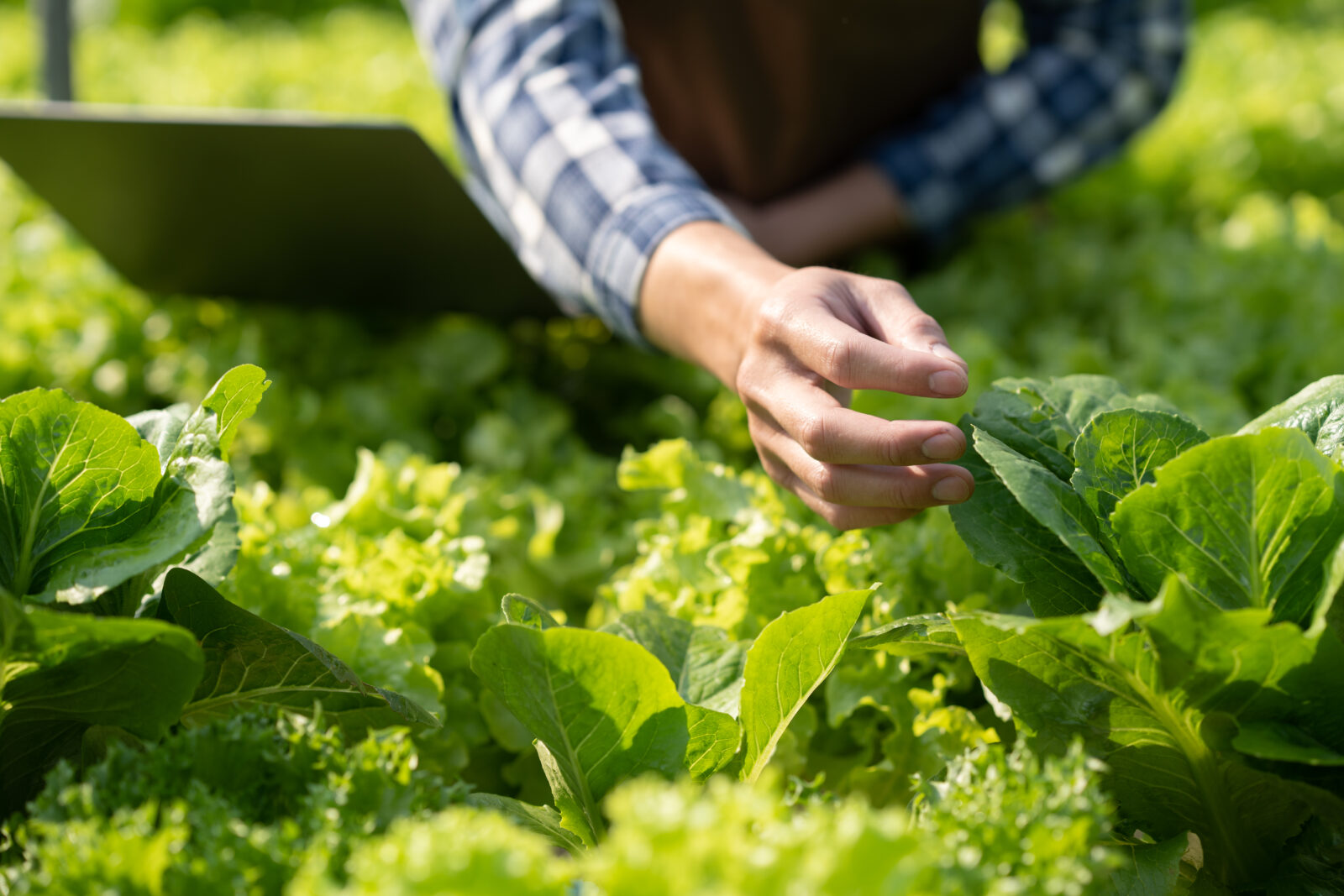
AI-powered agriculture to aid decision-making
Artificial intelligence has been discussed in agriculture for years, but 2026 marks a significant shift: AI is increasingly becoming an operational tool rather than a standalone technology.
According to Forbes, AI is evolving from single-purpose applications into integrated tools that combine weather data, crop information, market signals, and supply chain insights to support decision-making across farming operations. Predictive systems may help farmers anticipate climate risks, disease outbreaks, and supply disruptions before they occur.
The growing adoption of AI reflects a broader transformation within agriculture. As is with many other innovative sectors, AI stands among the fastest-growing trends in the agrifood sector. Innovation ecosystems are playing a critical role in accelerating this development.
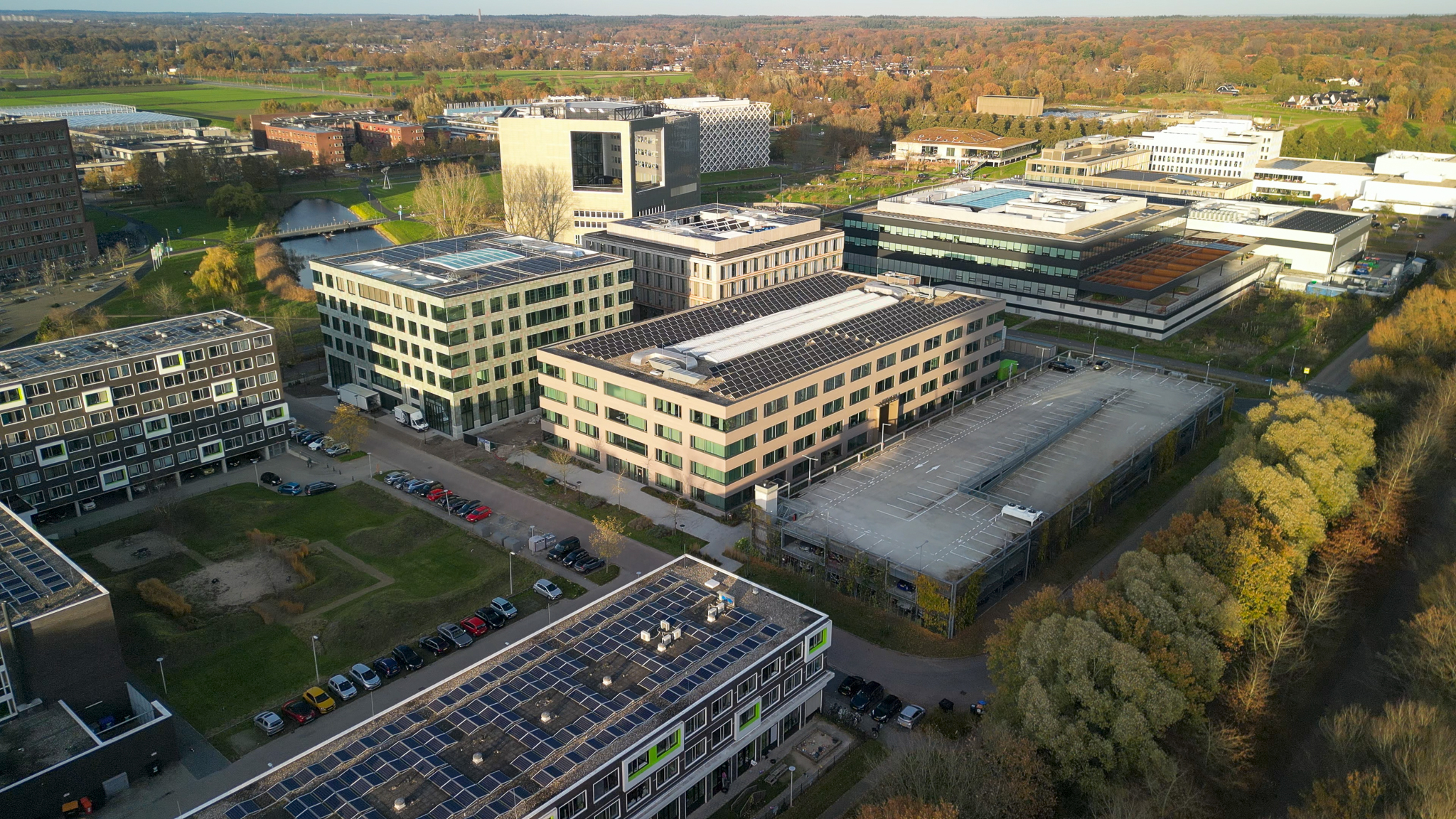
At Wageningen Campus, researchers, start-ups, and multinational companies collaborate closely with Wageningen University & Research (WUR), one of the world’s leading institutions in agriculture and food innovation. Through partnerships between academia and industry, emerging technologies can be tested and validated in real-world agricultural environments before scaling internationally.
As AI capabilities continue to mature, the competitive advantage will no longer come from collecting data alone but from converting that data into actionable insights that improve resilience and sustainability across food systems.
Precision biology improving nutrition
A second major trend is the growing intersection between biology, nutrition, and technology.
Advances in sensors, microbiology, biotechnology, genomics, and machine learning are enabling researchers to understand biological systems with unprecedented precision, a development that Forbes describes as the “instrumentation of biology”. These technologies can detect subtle changes in crops, livestock health, environmental conditions, and food quality long before they become visible through traditional monitoring methods. At the same time, the ability to analyse gut microbiomes, metabolic responses, and nutritional biomarkers is providing new insights into how individuals process food and respond to specific ingredients. This combination of biological science and technology is paving the way for more personalised nutrition, where dietary recommendations, ingredients, and food products can be tailored to individual health profiles, lifestyles, and nutritional needs. As a result, precision biology is helping to shift the food industry away from a one-size-fits-all approach towards more targeted solutions that improve both health outcomes and the efficiency of food production.
Food manufacturers are increasingly leveraging precision biology to develop foods that do more than simply satisfy hunger. For example probiotics and other bioactive ingredients that are designed to support specific health outcomes, including digestive health, immune function, and metabolic wellbeing. At the same time, advances in cellular agriculture, precision fermentation, and microbial technologies are enabling the production of proteins, fats, vitamins, and functional ingredients with a lower environmental footprint than conventional agricultural methods. Together, these innovations are helping to create a new generation of food products that combine nutritional performance with sustainability, allowing manufacturers to respond to growing consumer demand for healthier, more personalised, and environmentally responsible diets.

Climate-resilient farming becomes mainstream
While digitalisation and biotechnology often attract headlines, sustainability remains one of the strongest drivers of innovation across the agri-food sector.
Global food production faces growing pressure from climate change, biodiversity loss, and resource scarcity. As a result, regenerative agriculture and climate-resilient farming practices are moving from concepts to mainstream priorities.
Approaches such as regenerative agriculture, carbon farming and predictive climate technologies help improve soil health, reduce emissions and optimize the food production system.
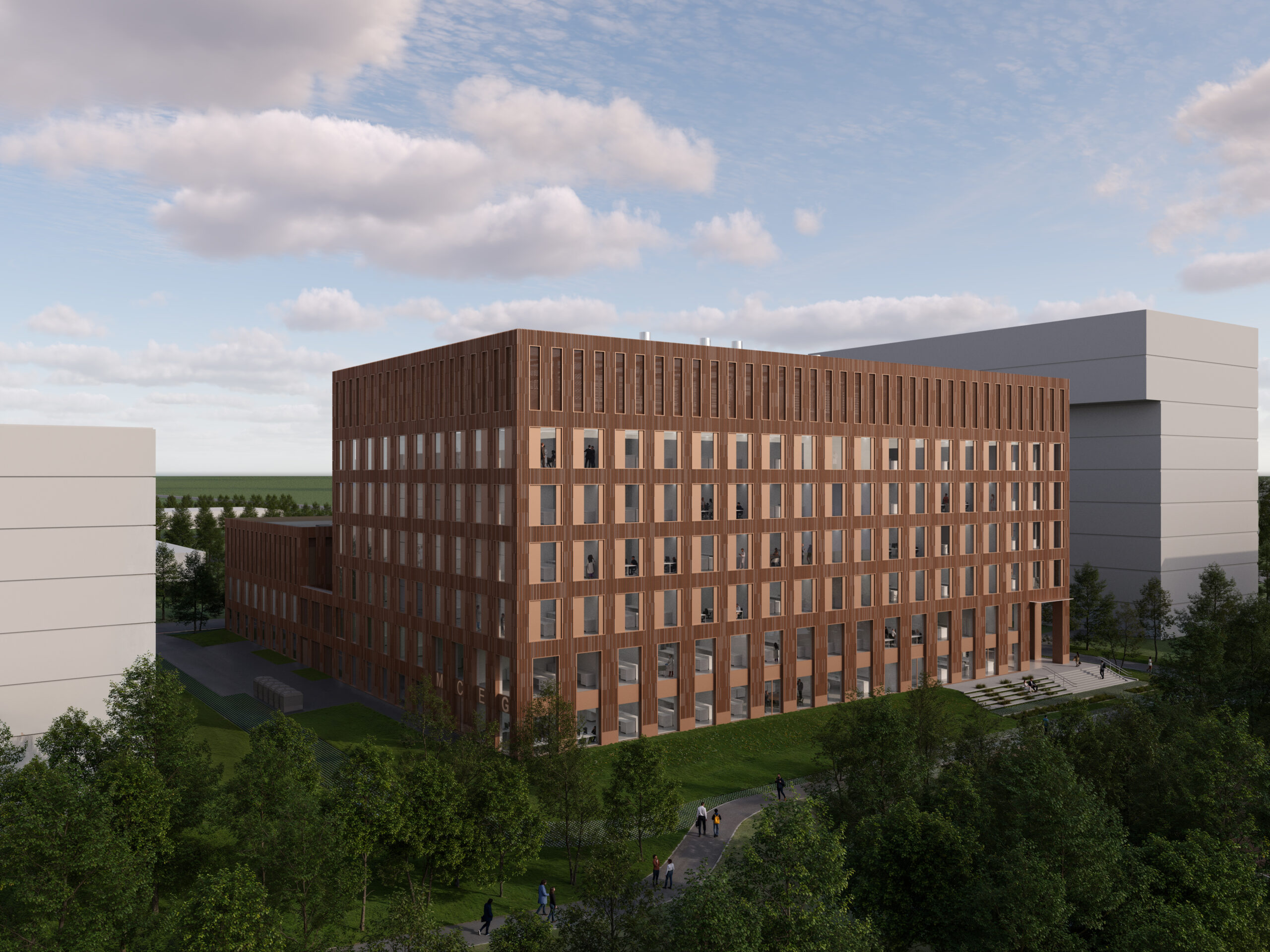
Paris-Saclay’s research community is advancing research into agroecology, soil health, environmental resilience, and sustainable food systems. Dedicated facilities and long-term research programmes help translate scientific discoveries into solutions that can support the agricultural transition across Europe and beyond.
The result is a growing recognition that future food systems must not only be productive but also resilient and environmentally sustainable.
Collaboration will define the next generation of Agri-Food innovation
What is becoming increasingly clear is that breakthrough innovations do not happen in isolation. They flourish in ecosystems where researchers and entrepreneurs work side-by-side. Whether developing AI-powered decision systems, advancing food-health innovation, or enabling resilient agriculture, success increasingly depends on collaboration.
Clusters such as Wageningen Campus and Paris-Saclay demonstrate how proximity to world-class research institutions, specialised infrastructure, and industry partners accelerates innovation. By bringing together talent, knowledge, investment, and specialised assets these ecosystems help transform scientific breakthroughs into real-world solutions that address some of the most pressing challenges facing global food systems today.
As the demand for sustainable, resilient, and technology-enabled food production continues to grow, these innovation communities will remain at the forefront of shaping the future of food.
Discover our Agri & Food clusters


Be inspired by innovation
From groundbreaking research to tenant milestones — stay updated on what’s happening across our European science clusters.