Why Location Matters
For organisations advancing innovation in agriculture and food systems, location is far more than an operational choice, it is a strategic one. Breakthroughs in areas such as sustainable farming, alternative proteins, precision agriculture, and food security rarely happen in isolation. They emerge from ecosystems where researchers, food producers, agritech startups, industry leaders, and policymakers interact continuously.
At Kadans Science Partner, we see how being part of a strong science cluster accelerates innovation. From early-stage discovery through to real-world application. In a sector facing urgent global challenges, from climate change to feeding a growing population, the right environment can significantly shorten the path from lab to land or table.
Successful agri-food clusters are shaped by a combination of economic, physical, and network drivers. By concentrating talent, capital, knowledge, and specialised infrastructure, these environments create the ideal conditions in which innovation can thrive.
Below, we explore four core elements that make location an important decision for organisations driving the future of food and agriculture.

1. Talent: The foundation
Innovation in agriculture and food systems depends on a unique mix of skills. Beyond researchers and food scientists, organisations might need data scientists, climate specialists, regulatory experts, and supply chain innovators. Increasingly, success depends on bridging disciplines such as biology, engineering, AI, and environmental science.
Strong agri-food clusters often develop around leading agricultural universities and research institutes. Proximity to these provides direct access to graduates, PhD’s and other emerging talent. It also enables collaboration on ttraining programmes, placements and joint research initiatives.
Importantly, these ecosystems attract experienced professionals who want to work on meaningful challenges, such as regenerative agriculture or sustainable food production. Over time, this concentration of expertise creates a self-sustaining talent pipeline, one that strengthens the entire agri-food ecosystem.
2. Capital: Food for innovation
Innovation in agriculture and food is capital intensive and often requires long development timelines. Whether it is scaling novel ingredients, developing climate-resilient crops, or commercialising precision farming technologies, organisations must navigate extended R&D cycles, regulatory requirements, and market validation.
Being located in a mature agri-food cluster increases access to investors and funding partners who understand these complexities. This includes venture capital focused on agritech and foodtech, public funding programmes supporting sustainability and food security, and strategic partnerships with industry leaders.
In these environments, connections often develop organically: through shared facilities, industry events, and collaboration platforms. For agri-food innovators, these networks are essential not only for funding, but also for accessing supply chains or distribution channels.
Positioning within an environment where capital is already flowing increases visibility among investors who recognise both the urgency and long-term value of transforming our food and agricultural systems.

3. Knowledge: Expertise and collaboration
Agri-food innovation is accelerated by knowledge exchange across disciplines and across the value chain. From laboratory research to real-world application in fields, greenhouses, and production facilities, the ability to test, adapt, and refine solutions is essential.
Science clusters bring together academic researchers, entrepreneurs, manufacturers, and start-ups. This enables continuous collaboration, whether through shared projects, access to shared facilities, or informal knowledge sharing.
Importantly, agriculture and food innovation often require validation in real-world conditions. Climate conditions, supply chain constraints, and consumer preferences all play a role. Being embedded in an ecosystem that connects research with practical application allows organisations to test and adapt.
This cross-pollination of disciplines helps accelerate projects and make a real impact.
4. Specialised assets: From lab to pilot to production
Agri-food innovators often require more than traditional lab or office space. They need access to highly specialised infrastructure, such as technical labs, controlled area facilities, pilot plants or testing kitchens. Each designed to meet high technical and regulatory requirements.
These assets are complex and costly to develop independently. Being part of a dedicated agri-food cluster provides access to shared infrastructure, lowering barriers to entry and enabling faster scaling.
Equally important are purpose-built environments tailored to specific needs, whether that is developing alternative proteins, crop technologies, or improving food safety processes. The right physical environment eliminates operational bottlenecks, supports compliance, and enables teams to focus on innovation rather than logistics.
Kadans Science Partner develops and operates these specialised environments, supporting organisations long after they move in. With over 20 years of experience, Kadans creates spaces tailored to the unique requirements of agri-food and life sciences innovation. Unlike traditional landlords that deliver empty spaces, Kadans in-house team provides spaces that are primed to fit each organisation’s specific research needs, providing a seamless transition from lease signing to the commencement of operations.
Every science cluster has its own unique strengths, shaping the opportunities available to the organisations within it. Across the 30+ science clusters in Kadans’ European network, we see how each ecosystem contributes distinct expertise and collaboration potential. Together, they form a connected innovation landscape where knowledge, talent, and capital flow more freely, accelerating progress across the entire innovation ecosystem.
For organisations working to redefine how we grow, produce, and consume food, choosing the right location is not just about where you operate, find a place where you can truly grow.
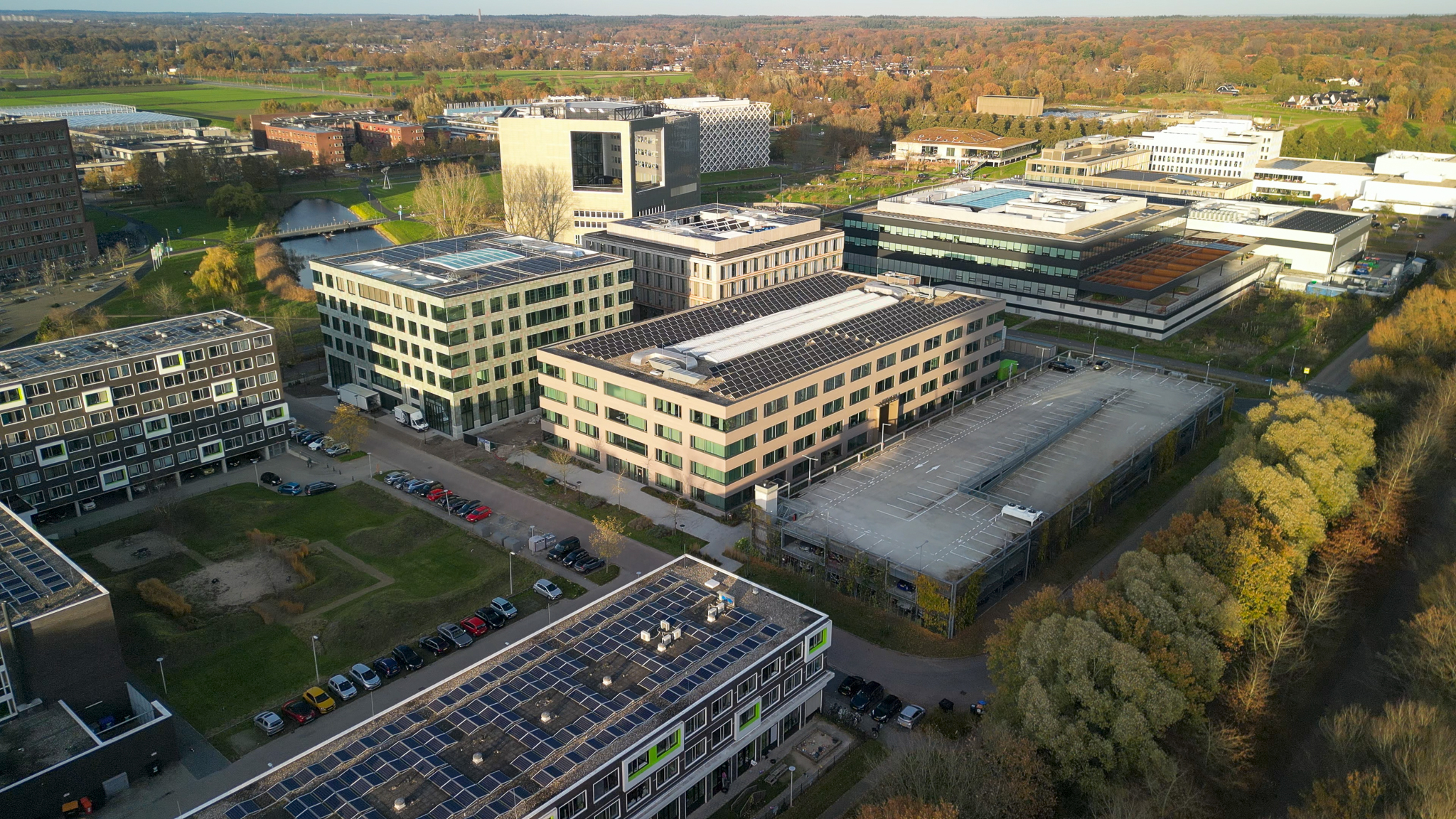
Explore our agri-food clusters



Be inspired by innovation
From groundbreaking research to tenant milestones — stay updated on what’s happening across our European science clusters.